The Beauty of Patina: How Limestone Facades Grow More Distinguished with Age
The Beauty of Patina: How Limestone Facades Grow More Distinguished with Age
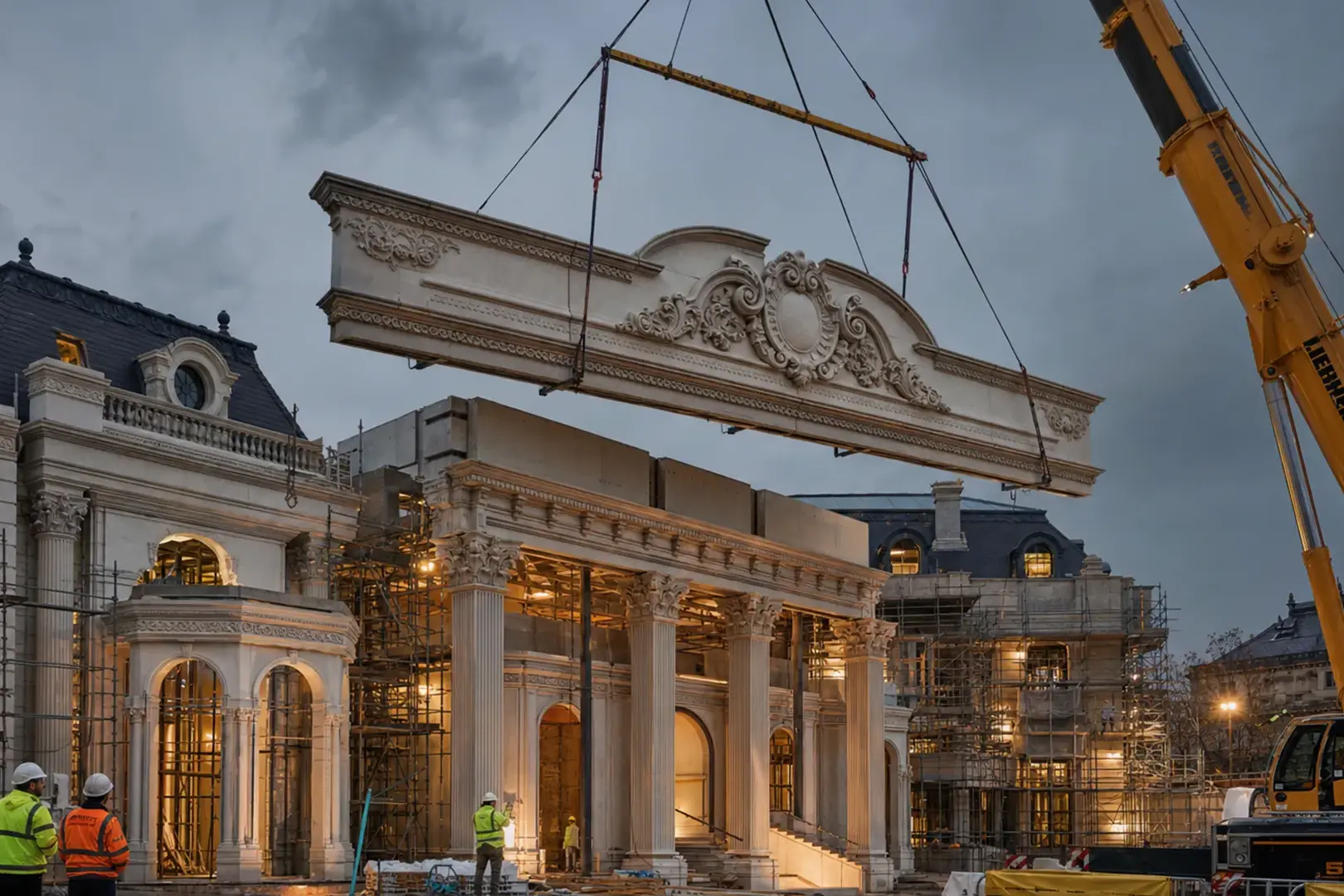
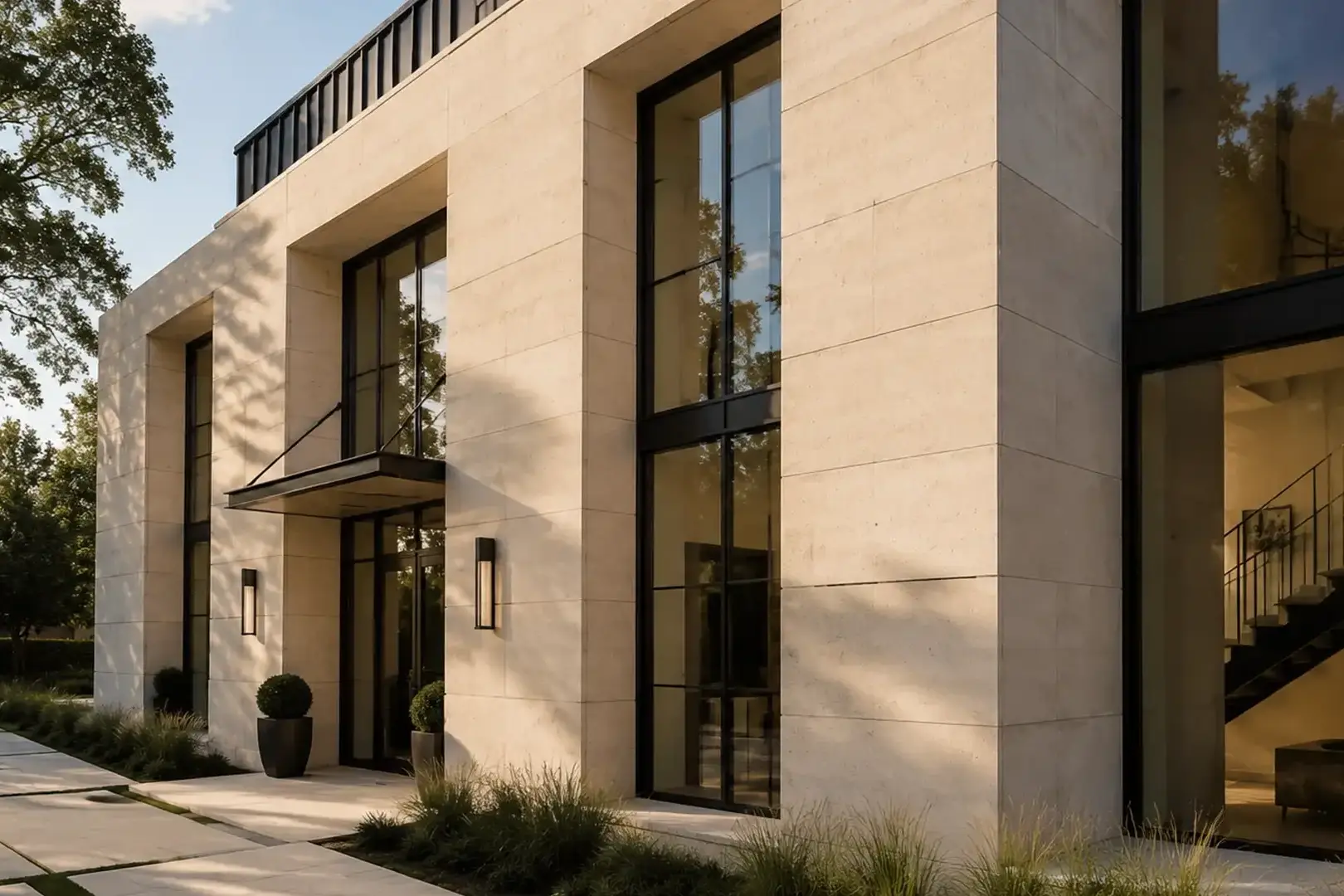
Limestone facades grow more distinguished with age—a characteristic that sets natural stone apart from most modern building materials. For homeowners and developers evaluating long-term investments, this concept is crucial. Many materials are designed to resist aging entirely, yet paradoxically they begin to look outdated or worn as soon as their finishes degrade. Limestone behaves differently.
Instead of deteriorating visually, natural limestone develops a patina—a subtle evolution in tone and surface character that enhances the architectural presence of the building over time. This process is one of the reasons limestone has been used for centuries in monumental architecture across Europe and North America.
For rational buyers and developers considering the cost justification of natural stone, understanding patina is key to appreciating the long-term value of a limestone facade.
What Is Patina in Natural Limestone?
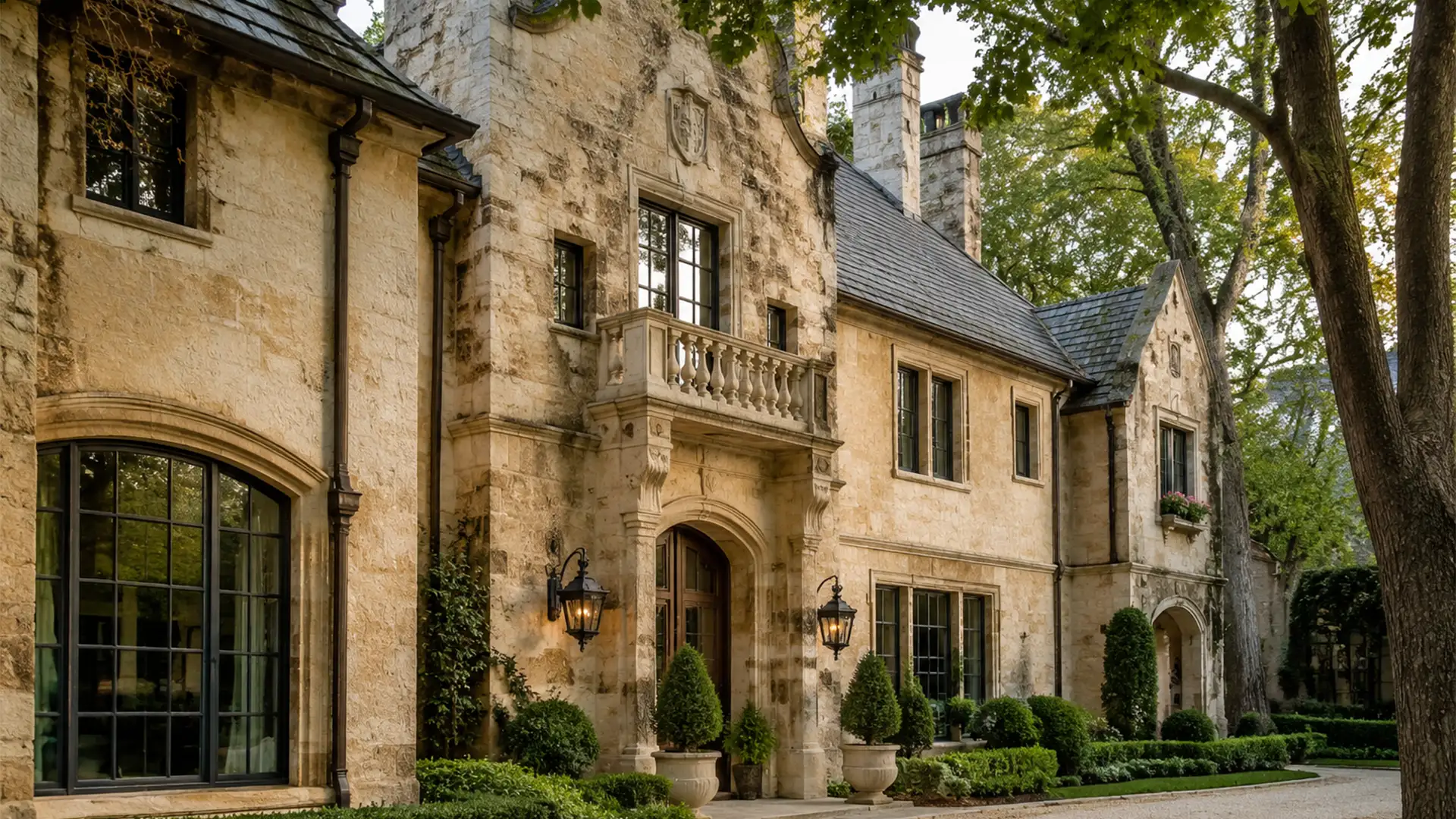
Patina refers to the gradual, natural change in the surface appearance of a material due to environmental exposure. In limestone, this process is typically subtle and slow, resulting in a richer and more complex visual character.
Over time, limestone may experience:
- Gentle softening of color tones
- Increased visual depth within the stone surface
- Slight variations created by weather interaction
- A more integrated relationship with surrounding architecture and landscape
Importantly, patina is not deterioration. When high-quality limestone is properly installed, these changes occur within the natural character of the stone rather than compromising its structural integrity.
In fact, many architects intentionally choose limestone precisely because of how beautifully it ages.
Why Natural Stone Ages Gracefully
The graceful aging of limestone comes from its geological origin. Unlike manufactured cladding systems, limestone is not dependent on applied coatings, pigments, or artificial finishes.
Its appearance comes directly from:
- mineral composition
- sedimentary structure
- microscopic fossil patterns
- natural tonal variation
Because the color and texture exist throughout the entire body of the stone, surface wear does not expose an artificial layer beneath. Instead, the stone simply continues to reveal the same natural material.
This is fundamentally different from materials that rely on paint, coatings, or surface treatments, which often degrade unevenly and require periodic refinishing.
Historic Evidence: Limestone Buildings That Improve with Time
One of the strongest proofs of limestone’s long-term performance can be found in historic architecture.
Across Europe and North America, countless landmark buildings demonstrate how limestone matures:
- classical civic buildings
- historic universities
- museums and cultural institutions
- luxury estates and historic mansions
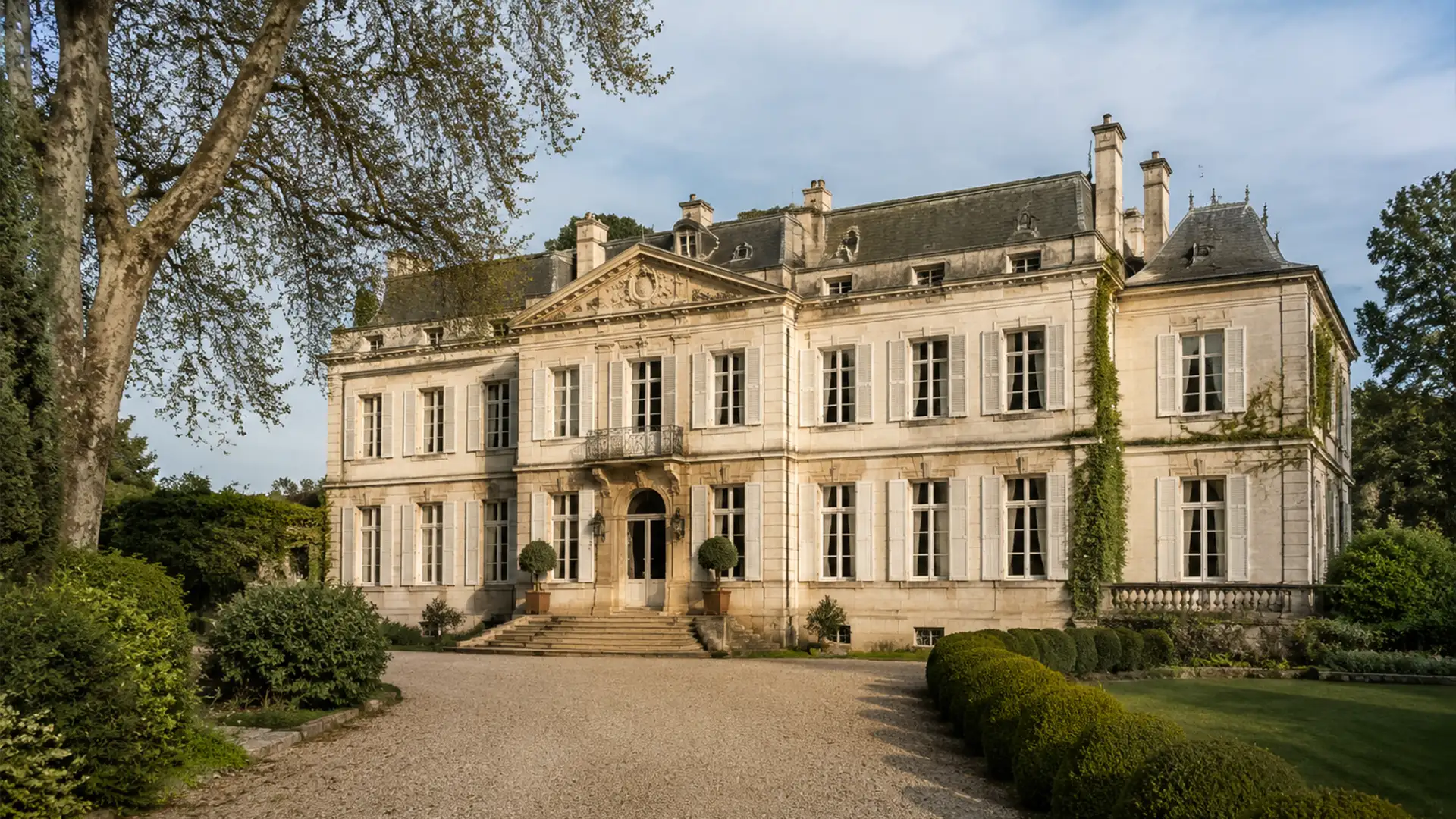
Many of these structures are over a century old, yet their limestone facades remain visually powerful today. In fact, their aged surfaces often enhance the architectural character rather than diminish it.
The subtle patina gives the building a sense of permanence and cultural weight that newly constructed materials rarely achieve immediately.
For developers, this is a powerful signal: limestone does not simply endure time—it benefits from it.
The Difference Between Patina and Damage
A common concern among buyers unfamiliar with natural stone is distinguishing between normal aging and actual material problems.
Natural Patina
Healthy limestone aging may include:
- soft tonal shifts
- mild weathering effects
- slight darkening in protected areas
- gentle surface evolution
These changes occur slowly and often enhance visual richness.
Actual Problems
True issues usually originate from external factors, such as:
- poor drainage design
- water concentration at architectural joints
- incorrect cleaning methods
- incompatible adjacent materials
When limestone is properly specified and installed within a well-designed facade system, these risks are minimized.
Understanding this distinction helps homeowners appreciate the aging process rather than misinterpret it.
Why Developers Value Materials That Age Well
In luxury real estate, the long-term appearance of a property is directly tied to its market perception.
Many modern materials look perfect on day one but begin to lose their appeal within a decade. Paint fades, coatings peel, and manufactured textures reveal their artificial nature.
Natural limestone operates on a completely different timeline.
Instead of declining visually, the facade gradually develops:
- richer character
- softer tonal depth
- a sense of architectural maturity
This is especially valuable for developers building properties intended to maintain prestige over decades.
A material that ages with dignity rather than cosmetic fatigue protects the perceived quality of the investment.
The Role of Environment in Patina Development
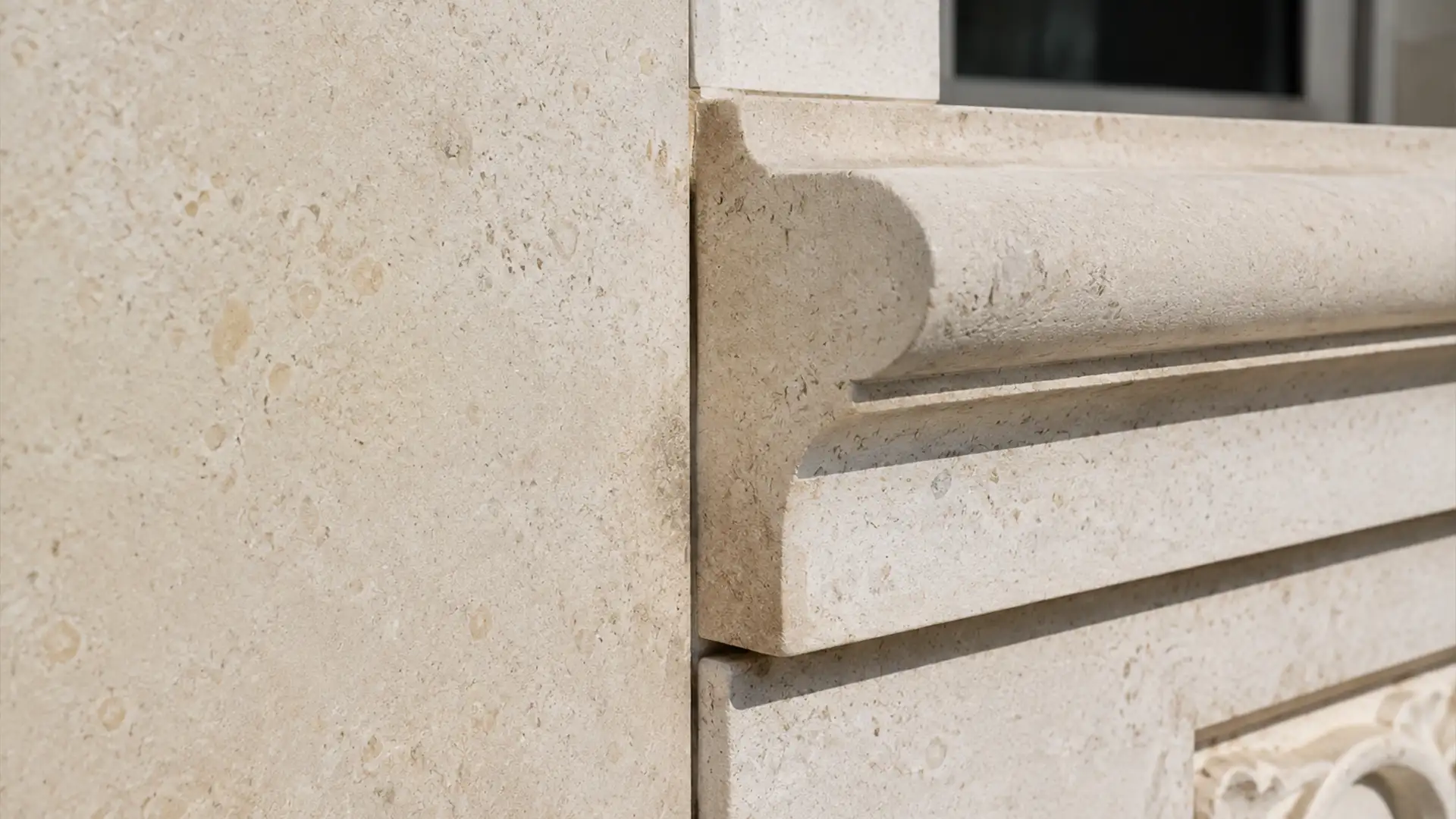
The specific character of limestone patina varies depending on environmental conditions. Factors influencing the aging process include:
- climate conditions
- sun exposure patterns
- surrounding vegetation
- urban vs. rural air composition
- building orientation
For example:
- In coastal climates, limestone may develop a slightly softened texture due to atmospheric moisture.
- In dry climates, tonal changes may be more subtle and slow.
- In landscaped estates, the stone may visually integrate with greenery and natural surroundings over time.
This environmental interaction creates a unique identity for each building—something impossible with factory-finished materials.
Patina as an Architectural Asset
In contemporary design discussions, the concept of material authenticity has become increasingly important. Architects and developers are moving away from materials that attempt to remain artificially unchanged.
Instead, many designers now favor materials that express time naturally.
Limestone fits perfectly into this philosophy.
A patinated limestone facade communicates:
- permanence
- authenticity
- craftsmanship
- connection to architectural tradition
For high-end homes and estates, this subtle narrative adds depth to the property’s identity.
Rather than appearing outdated, the building gains a sense of established presence within its environment.
Patina vs. Artificial “Weathered” Finishes
Interestingly, many modern products attempt to imitate the aged appearance of natural stone through artificial distressing or pre-weathered finishes.
These treatments attempt to simulate what real limestone develops naturally over decades.
However, manufactured aging often lacks the complexity and authenticity of true patina. Artificial treatments tend to look static, while natural limestone continues evolving gradually as the building interacts with its environment.
For discerning buyers and developers, this distinction reinforces the long-term advantage of genuine stone.
Minimal Maintenance Supports Natural Aging
Another advantage of limestone patina is that it develops without heavy intervention.
Routine care typically involves:
- periodic gentle cleaning
- visual inspection of facade systems
- maintaining drainage and sealant joints
Aggressive cleaning methods are generally unnecessary and often discouraged, as they can interfere with the stone’s natural evolution.
When allowed to age naturally, limestone achieves a balanced appearance that feels authentic rather than artificially maintained.
Long-Term Value for Rational Buyers
From a financial perspective, materials that age gracefully protect long-term property value.
A facade that continues to look appropriate, elegant, and architecturally credible decades after construction reduces the need for major cosmetic renovations.
For developers and rational buyers, this means:
- fewer aesthetic upgrades
- reduced facade replacement risk
- sustained luxury positioning
- stronger resale perception
Natural limestone’s ability to improve visually with time is one of the reasons it remains a preferred material for high-end architecture worldwide.
Conclusion: Time as a Design Partner
The beauty of patina is that it turns time into an architectural ally rather than an enemy.
While many facade materials struggle to maintain their original appearance, limestone evolves slowly and gracefully, gaining character through years of environmental interaction.
For homeowners and developers evaluating premium materials, this quality transforms limestone from a simple cladding choice into a long-term architectural asset.
Instead of fearing aging, limestone invites it.
At Marvelous Marble, we help clients select and fabricate European limestone that is not only beautiful on the day of installation but continues to develop richness and presence for generations. A limestone facade is not simply built—it matures.
Limestone facades grow more distinguished with age—a characteristic that sets natural stone apart from most modern building materials. For homeowners and developers evaluating long-term investments, this concept is crucial. Many materials are designed to resist aging entirely, yet paradoxically they begin to look outdated or worn as soon as their finishes degrade. Limestone behaves differently.
Instead of deteriorating visually, natural limestone develops a patina—a subtle evolution in tone and surface character that enhances the architectural presence of the building over time. This process is one of the reasons limestone has been used for centuries in monumental architecture across Europe and North America.
For rational buyers and developers considering the cost justification of natural stone, understanding patina is key to appreciating the long-term value of a limestone facade.
What Is Patina in Natural Limestone?
Patina refers to the gradual, natural change in the surface appearance of a material due to environmental exposure. In limestone, this process is typically subtle and slow, resulting in a richer and more complex visual character.
Over time, limestone may experience:
- Gentle softening of color tones
- Increased visual depth within the stone surface
- Slight variations created by weather interaction
- A more integrated relationship with surrounding architecture and landscape
Importantly, patina is not deterioration. When high-quality limestone is properly installed, these changes occur within the natural character of the stone rather than compromising its structural integrity.
In fact, many architects intentionally choose limestone precisely because of how beautifully it ages.
Why Natural Stone Ages Gracefully
The graceful aging of limestone comes from its geological origin. Unlike manufactured cladding systems, limestone is not dependent on applied coatings, pigments, or artificial finishes.
Its appearance comes directly from:
- mineral composition
- sedimentary structure
- microscopic fossil patterns
- natural tonal variation
Because the color and texture exist throughout the entire body of the stone, surface wear does not expose an artificial layer beneath. Instead, the stone simply continues to reveal the same natural material.
This is fundamentally different from materials that rely on paint, coatings, or surface treatments, which often degrade unevenly and require periodic refinishing.
Historic Evidence: Limestone Buildings That Improve with Time
One of the strongest proofs of limestone’s long-term performance can be found in historic architecture.
Across Europe and North America, countless landmark buildings demonstrate how limestone matures:
- classical civic buildings
- historic universities
- museums and cultural institutions
- luxury estates and historic mansions
Many of these structures are over a century old, yet their limestone facades remain visually powerful today. In fact, their aged surfaces often enhance the architectural character rather than diminish it.
The subtle patina gives the building a sense of permanence and cultural weight that newly constructed materials rarely achieve immediately.
For developers, this is a powerful signal: limestone does not simply endure time—it benefits from it.
The Difference Between Patina and Damage
A common concern among buyers unfamiliar with natural stone is distinguishing between normal aging and actual material problems.
Natural Patina
Healthy limestone aging may include:
- soft tonal shifts
- mild weathering effects
- slight darkening in protected areas
- gentle surface evolution
These changes occur slowly and often enhance visual richness.
Actual Problems
True issues usually originate from external factors, such as:
- poor drainage design
- water concentration at architectural joints
- incorrect cleaning methods
- incompatible adjacent materials
When limestone is properly specified and installed within a well-designed facade system, these risks are minimized.
Understanding this distinction helps homeowners appreciate the aging process rather than misinterpret it.
Why Developers Value Materials That Age Well
In luxury real estate, the long-term appearance of a property is directly tied to its market perception.
Many modern materials look perfect on day one but begin to lose their appeal within a decade. Paint fades, coatings peel, and manufactured textures reveal their artificial nature.
Natural limestone operates on a completely different timeline.
Instead of declining visually, the facade gradually develops:
- richer character
- softer tonal depth
- a sense of architectural maturity
This is especially valuable for developers building properties intended to maintain prestige over decades.
A material that ages with dignity rather than cosmetic fatigue protects the perceived quality of the investment.
The Role of Environment in Patina Development
The specific character of limestone patina varies depending on environmental conditions. Factors influencing the aging process include:
- climate conditions
- sun exposure patterns
- surrounding vegetation
- urban vs. rural air composition
- building orientation
For example:
- In coastal climates, limestone may develop a slightly softened texture due to atmospheric moisture.
- In dry climates, tonal changes may be more subtle and slow.
- In landscaped estates, the stone may visually integrate with greenery and natural surroundings over time.
This environmental interaction creates a unique identity for each building—something impossible with factory-finished materials.
Patina as an Architectural Asset
In contemporary design discussions, the concept of material authenticity has become increasingly important. Architects and developers are moving away from materials that attempt to remain artificially unchanged.
Instead, many designers now favor materials that express time naturally.
Limestone fits perfectly into this philosophy.
A patinated limestone facade communicates:
- permanence
- authenticity
- craftsmanship
- connection to architectural tradition
For high-end homes and estates, this subtle narrative adds depth to the property’s identity.
Rather than appearing outdated, the building gains a sense of established presence within its environment.
Patina vs. Artificial “Weathered” Finishes
Interestingly, many modern products attempt to imitate the aged appearance of natural stone through artificial distressing or pre-weathered finishes.
These treatments attempt to simulate what real limestone develops naturally over decades.
However, manufactured aging often lacks the complexity and authenticity of true patina. Artificial treatments tend to look static, while natural limestone continues evolving gradually as the building interacts with its environment.
For discerning buyers and developers, this distinction reinforces the long-term advantage of genuine stone.
Minimal Maintenance Supports Natural Aging
Another advantage of limestone patina is that it develops without heavy intervention.
Routine care typically involves:
- periodic gentle cleaning
- visual inspection of facade systems
- maintaining drainage and sealant joints
Aggressive cleaning methods are generally unnecessary and often discouraged, as they can interfere with the stone’s natural evolution.
When allowed to age naturally, limestone achieves a balanced appearance that feels authentic rather than artificially maintained.
Long-Term Value for Rational Buyers
From a financial perspective, materials that age gracefully protect long-term property value.
A facade that continues to look appropriate, elegant, and architecturally credible decades after construction reduces the need for major cosmetic renovations.
For developers and rational buyers, this means:
- fewer aesthetic upgrades
- reduced facade replacement risk
- sustained luxury positioning
- stronger resale perception
Natural limestone’s ability to improve visually with time is one of the reasons it remains a preferred material for high-end architecture worldwide.
Conclusion: Time as a Design Partner
The beauty of patina is that it turns time into an architectural ally rather than an enemy.
While many facade materials struggle to maintain their original appearance, limestone evolves slowly and gracefully, gaining character through years of environmental interaction.
For homeowners and developers evaluating premium materials, this quality transforms limestone from a simple cladding choice into a long-term architectural asset.
Instead of fearing aging, limestone invites it.
At Marvelous Marble, we help clients select and fabricate European limestone that is not only beautiful on the day of installation but continues to develop richness and presence for generations. A limestone facade is not simply built—it matures.

Related Posts
Specifying Limestone Façades for Freeze–Thaw Climates: An Architect’s Guide
A technical planning guide for luxury limestone façades in New York, Chicago…