Retail Prestige: How a Limestone Facade Elevates a Luxury Brand’s Image
Retail Prestige: How a Limestone Facade Elevates a Luxury Brand’s Image
Limestone Facade design plays a powerful role in how a luxury brand is perceived long before a customer walks through the door. In high‑end retail environments, architecture is not simply a backdrop—it is part of the brand identity itself.
For luxury boutiques, flagship stores, and premium retail developments across the United States and Canada, the exterior facade serves as the first point of communication with the customer. The materials chosen for that facade instantly signal whether the brand represents exclusivity, craftsmanship, and prestige.
Among all architectural materials, few convey these qualities as effectively as a limestone facade.
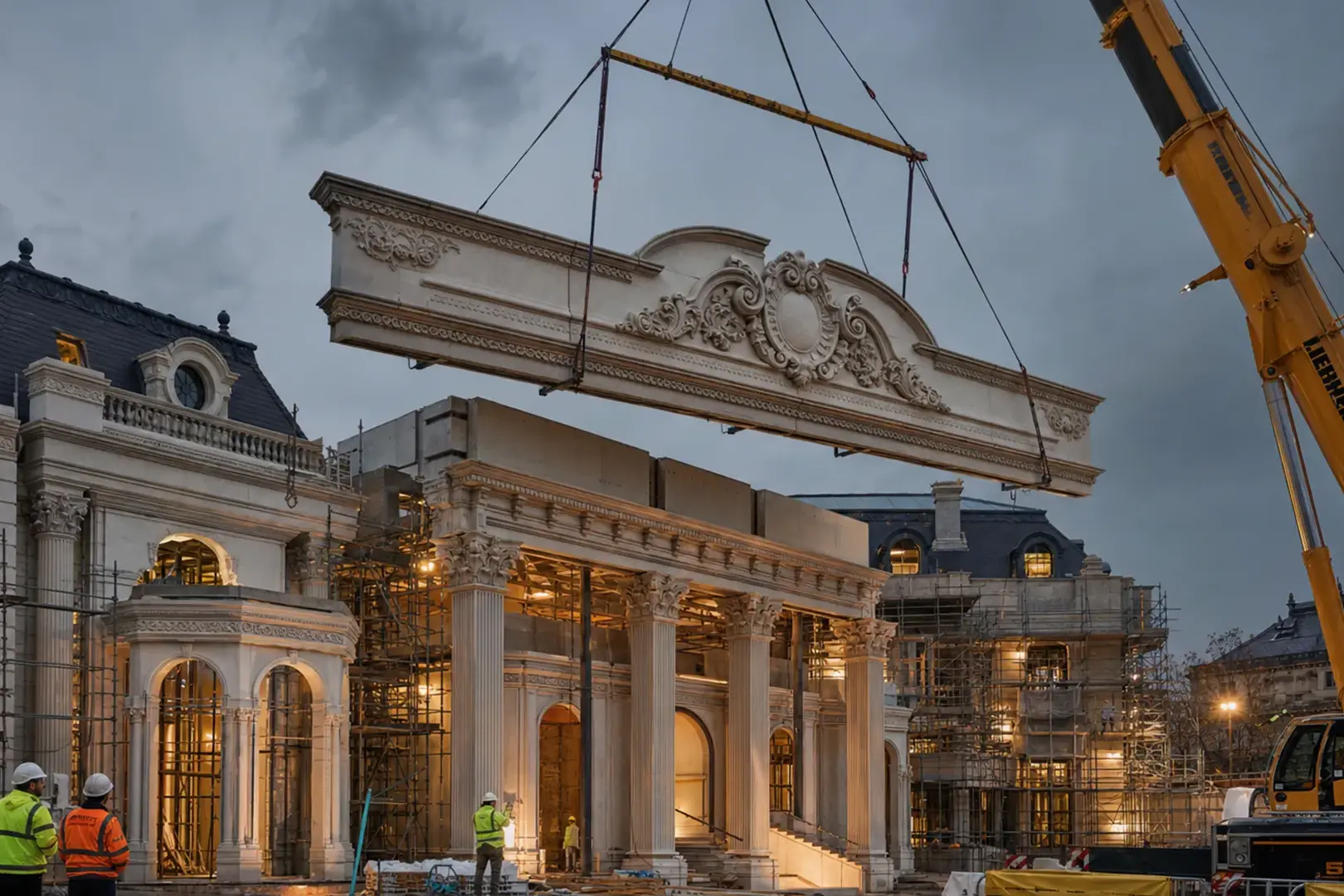
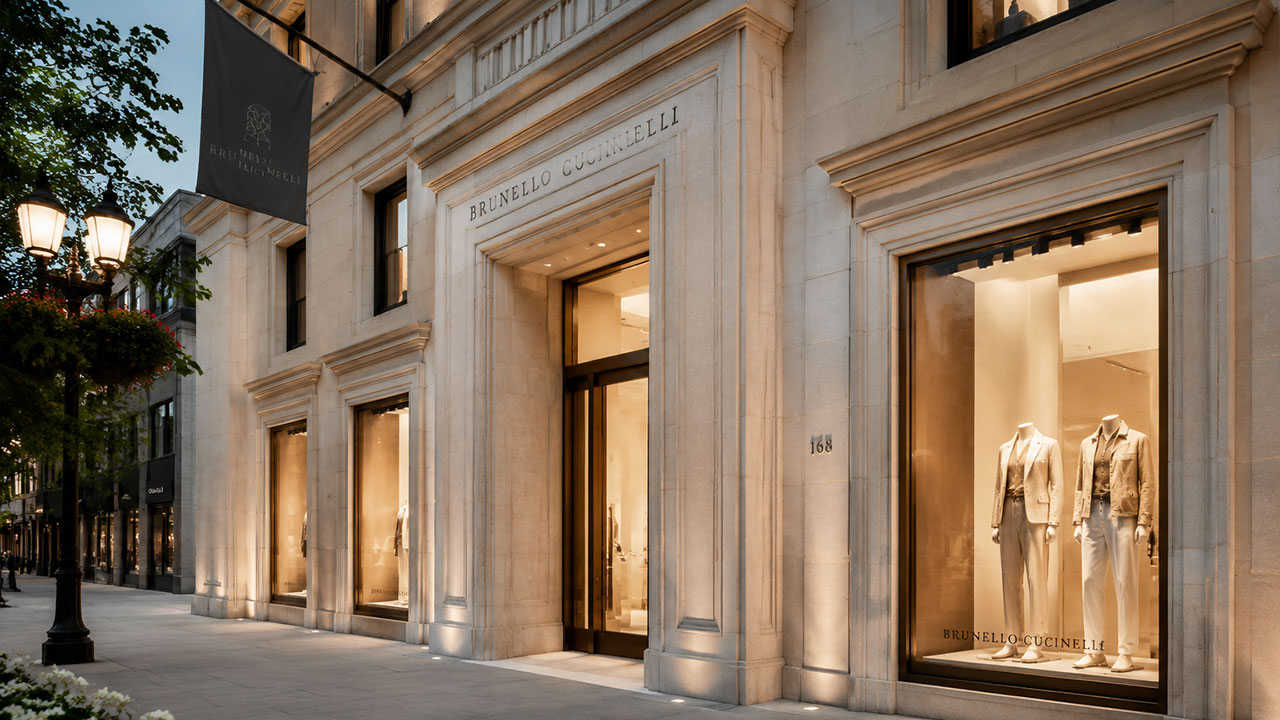
At Marvelous Marble, projects such as our Luxury Store facade installations demonstrate how natural stone architecture can transform a retail space into a landmark presence within its urban environment.
Architecture as Brand Identity
Luxury brands invest enormous effort in crafting their identity—logos, packaging, interior design, lighting, and customer experience. Yet one element often has the strongest immediate impact: the building itself.
When a customer approaches a store, the facade communicates several messages within seconds:
- Is this brand prestigious?
- Is it timeless or trendy?
- Does it represent craftsmanship or mass production?
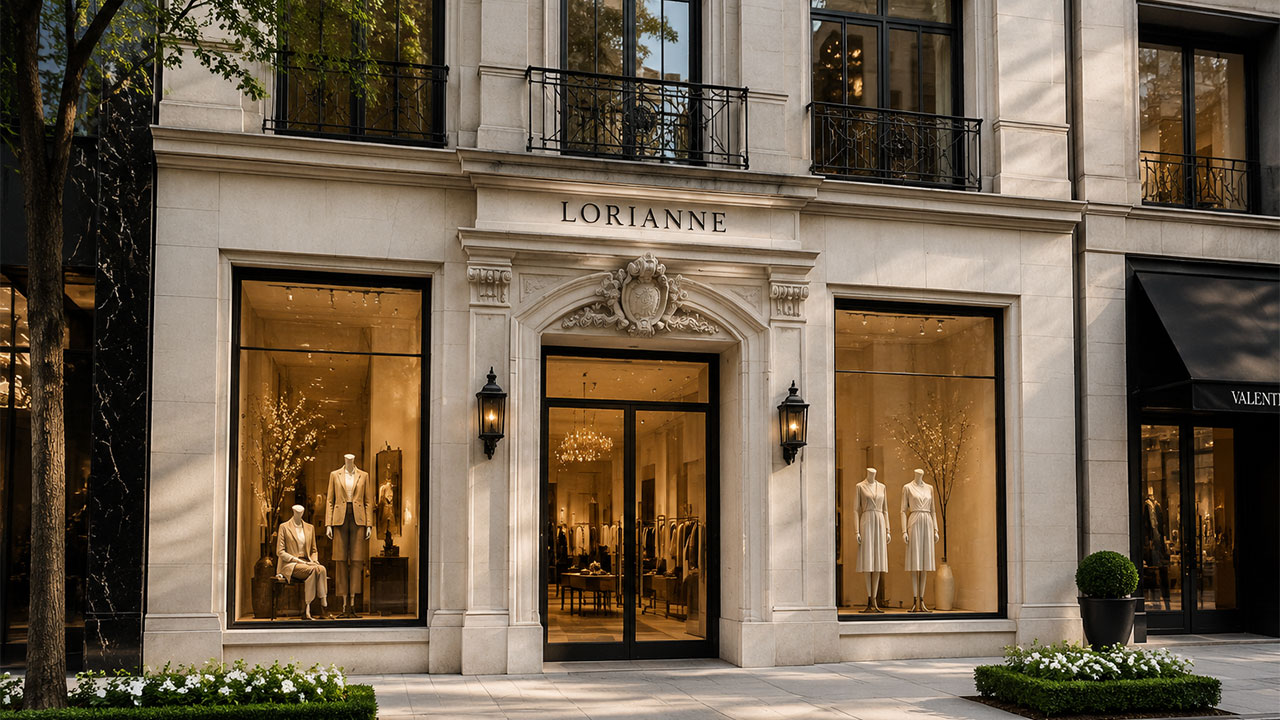
A limestone facade answers these questions with quiet authority.
Unlike synthetic materials or standard commercial cladding systems, limestone conveys permanence and refinement. It creates the impression that the brand has established roots and long-term credibility—an essential psychological factor in luxury retail.
Why Limestone Is the Material of Choice for Luxury Retail
Across historic shopping districts in cities like New York, Toronto, Chicago, and Montreal, limestone has long been associated with prestigious architecture.
There are several reasons why architects and developers continue to specify limestone for high-end retail facades.
Timeless Elegance
Natural limestone has a visual depth that manufactured materials cannot replicate. Its subtle tonal variations and organic texture create an understated sophistication that aligns perfectly with luxury branding.
A limestone storefront feels curated and intentional rather than commercially fabricated.
Architectural Presence
Retail locations often compete for attention within busy streetscapes. A limestone facade immediately stands out because of its mass, texture, and sculptural quality.
Even when surrounded by glass and steel buildings, limestone commands attention without appearing aggressive or overstated.
Longevity and Durability
Luxury brands prioritize environments that reflect stability and long-term investment. Limestone facades age gracefully, maintaining their elegance for decades while developing subtle character over time.
This durability reinforces the perception of a brand that values quality over temporary trends.
Creating a Memorable Street Presence
In luxury retail, visibility and memorability are essential. A storefront must attract attention while remaining aligned with the refined identity of the brand.
A well-designed limestone facade can achieve this balance beautifully.
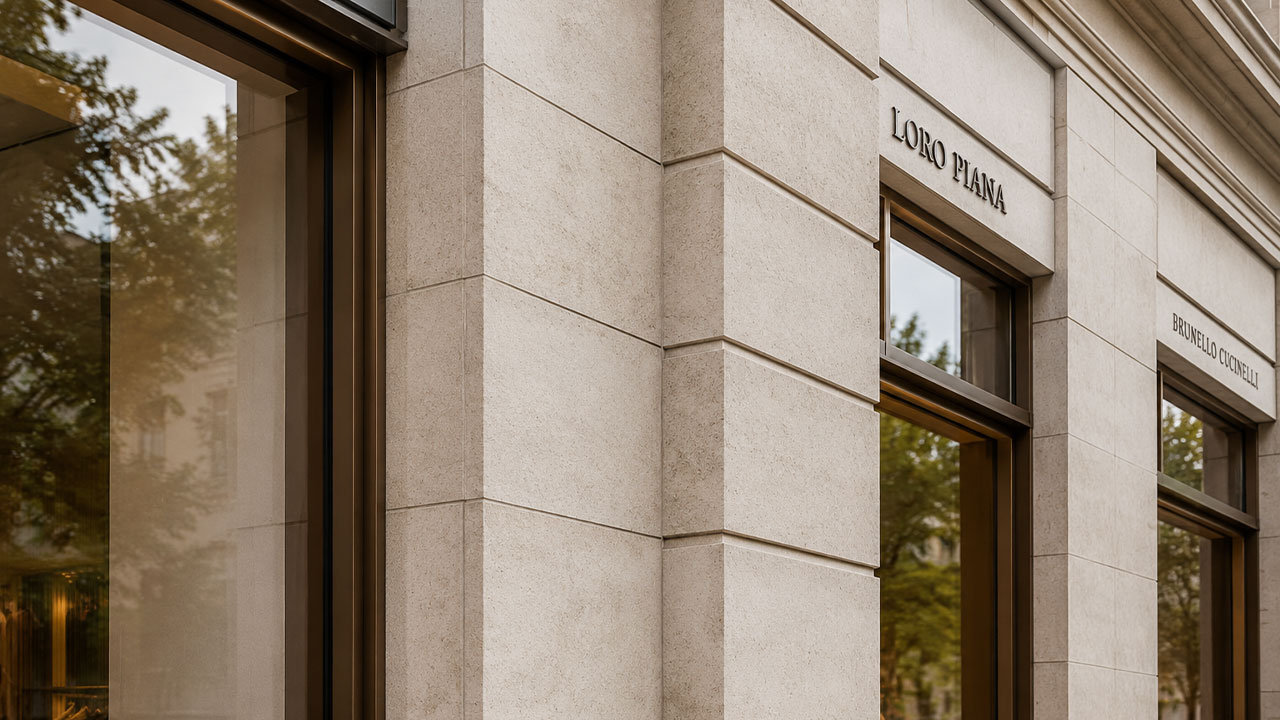
Large limestone panels, carved surrounds, and carefully proportioned openings create architectural rhythm along the street. When combined with expansive glass displays and carefully positioned lighting, the facade becomes both a frame and a stage for the brand’s products.
This is particularly effective in luxury shopping districts where architectural quality directly influences customer perception.
At Marvelous Marble, our Luxury Store project demonstrates how limestone architecture can transform a retail storefront into an elegant urban landmark.
The Balance Between Transparency and Monumentality
Modern luxury retail architecture often balances two opposing design goals:
- Transparency to showcase products and invite customers inside
- Monumentality to communicate prestige and exclusivity
A limestone facade allows architects to achieve both.
Stone elements provide the structural and visual weight necessary for a prestigious storefront, while large glass openings maintain openness and visibility. This contrast between solid stone and transparent glazing creates a striking architectural composition.
The result is a storefront that feels both welcoming and exclusive—an important combination in luxury retail environments.
Custom Limestone Details That Strengthen Brand Identity
Beyond the primary facade material, limestone allows architects to introduce refined architectural details that reinforce the brand’s identity.
These may include:
- Carved limestone door surrounds
- Monumental entry portals
- Fluted columns or pilasters
- Elegant cornice lines
- Framed display windows
- Sculpted signage panels
Each element contributes to a cohesive architectural language that feels tailored specifically to the brand.
Unlike generic commercial facades, a limestone storefront can become a recognizable visual signature for the brand.
The Psychological Impact of Stone in Luxury Retail
Materials influence perception at a subconscious level. When customers encounter natural stone architecture, they often associate it with heritage institutions, historic landmarks, and prestigious cultural buildings.
This association strengthens the perceived credibility of the brand occupying the space.
A limestone facade suggests qualities such as:
- Authentic craftsmanship
- Long-term stability
- Cultural sophistication
- Architectural authority
For luxury brands, these qualities are invaluable. They transform a simple retail location into an environment that reinforces the brand’s narrative.
Limestone Facades in Modern Retail Architecture
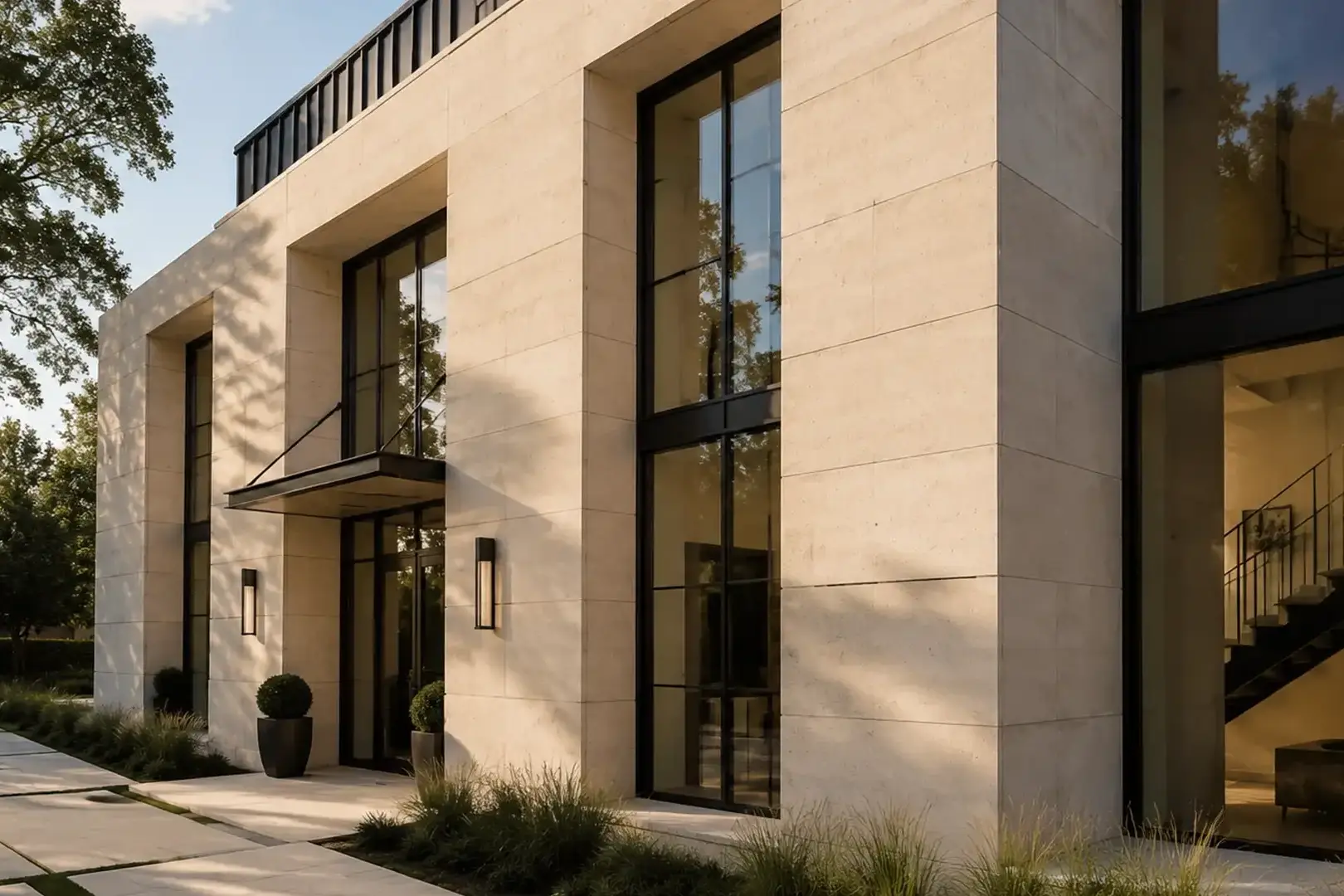
While limestone has classical roots, it adapts remarkably well to contemporary retail design.
In modern projects, architects frequently combine limestone with:
- Minimalist glazing systems
- Bronze or black metal frames
- Recessed lighting
- Large monolithic stone panels
- Clean geometric compositions
This approach allows the building to feel modern while still benefiting from the timeless character of natural stone.
The result is a storefront that feels both current and enduring—an ideal balance for brands that want to project innovation without sacrificing prestige.
Why Developers Invest in Limestone Retail Architecture
For developers planning high-end retail destinations, facade materials influence both tenant quality and long-term property value.
A limestone facade communicates that the development is positioned at the luxury end of the market. This attracts premium tenants, strengthens the retail environment, and enhances the overall perception of the property.
In competitive commercial districts across the United States and Canada, architectural distinction can be a decisive factor in attracting globally recognized luxury brands.
Stone architecture delivers that distinction.
Conclusion: Elevating Retail Through Architectural Excellence
A limestone facade is more than an exterior finish—it is a powerful branding tool. In luxury retail environments, it communicates prestige, permanence, and refined craftsmanship before customers even enter the store.
For brands seeking to establish a strong architectural presence and for developers building premium retail destinations, limestone offers a timeless solution that aligns perfectly with the values of luxury commerce.
At Marvelous Marble, our experience with projects such as the Luxury Store facade reflects this philosophy. By combining exceptional natural stone with precise architectural detailing, we help create retail environments that elevate both the building and the brand it represents.
Limestone Facade design plays a powerful role in how a luxury brand is perceived long before a customer walks through the door. In high‑end retail environments, architecture is not simply a backdrop—it is part of the brand identity itself.
For luxury boutiques, flagship stores, and premium retail developments across the United States and Canada, the exterior facade serves as the first point of communication with the customer. The materials chosen for that facade instantly signal whether the brand represents exclusivity, craftsmanship, and prestige.
Among all architectural materials, few convey these qualities as effectively as a limestone facade.
At Marvelous Marble, projects such as our Luxury Store facade installations demonstrate how natural stone architecture can transform a retail space into a landmark presence within its urban environment.
Architecture as Brand Identity
Luxury brands invest enormous effort in crafting their identity—logos, packaging, interior design, lighting, and customer experience. Yet one element often has the strongest immediate impact: the building itself.
When a customer approaches a store, the facade communicates several messages within seconds:
- Is this brand prestigious?
- Is it timeless or trendy?
- Does it represent craftsmanship or mass production?
A limestone facade answers these questions with quiet authority.
Unlike synthetic materials or standard commercial cladding systems, limestone conveys permanence and refinement. It creates the impression that the brand has established roots and long-term credibility—an essential psychological factor in luxury retail.
Why Limestone Is the Material of Choice for Luxury Retail
Across historic shopping districts in cities like New York, Toronto, Chicago, and Montreal, limestone has long been associated with prestigious architecture.
There are several reasons why architects and developers continue to specify limestone for high-end retail facades.
Timeless Elegance
Natural limestone has a visual depth that manufactured materials cannot replicate. Its subtle tonal variations and organic texture create an understated sophistication that aligns perfectly with luxury branding.
A limestone storefront feels curated and intentional rather than commercially fabricated.
Architectural Presence
Retail locations often compete for attention within busy streetscapes. A limestone facade immediately stands out because of its mass, texture, and sculptural quality.
Even when surrounded by glass and steel buildings, limestone commands attention without appearing aggressive or overstated.
Longevity and Durability
Luxury brands prioritize environments that reflect stability and long-term investment. Limestone facades age gracefully, maintaining their elegance for decades while developing subtle character over time.
This durability reinforces the perception of a brand that values quality over temporary trends.
Creating a Memorable Street Presence
In luxury retail, visibility and memorability are essential. A storefront must attract attention while remaining aligned with the refined identity of the brand.
A well-designed limestone facade can achieve this balance beautifully.
Large limestone panels, carved surrounds, and carefully proportioned openings create architectural rhythm along the street. When combined with expansive glass displays and carefully positioned lighting, the facade becomes both a frame and a stage for the brand’s products.
This is particularly effective in luxury shopping districts where architectural quality directly influences customer perception.
At Marvelous Marble, our Luxury Store project demonstrates how limestone architecture can transform a retail storefront into an elegant urban landmark.
The Balance Between Transparency and Monumentality
Modern luxury retail architecture often balances two opposing design goals:
- Transparency to showcase products and invite customers inside
- Monumentality to communicate prestige and exclusivity
A limestone facade allows architects to achieve both.
Stone elements provide the structural and visual weight necessary for a prestigious storefront, while large glass openings maintain openness and visibility. This contrast between solid stone and transparent glazing creates a striking architectural composition.
The result is a storefront that feels both welcoming and exclusive—an important combination in luxury retail environments.
Custom Limestone Details That Strengthen Brand Identity
Beyond the primary facade material, limestone allows architects to introduce refined architectural details that reinforce the brand’s identity.
These may include:
- Carved limestone door surrounds
- Monumental entry portals
- Fluted columns or pilasters
- Elegant cornice lines
- Framed display windows
- Sculpted signage panels
Each element contributes to a cohesive architectural language that feels tailored specifically to the brand.
Unlike generic commercial facades, a limestone storefront can become a recognizable visual signature for the brand.
The Psychological Impact of Stone in Luxury Retail
Materials influence perception at a subconscious level. When customers encounter natural stone architecture, they often associate it with heritage institutions, historic landmarks, and prestigious cultural buildings.
This association strengthens the perceived credibility of the brand occupying the space.
A limestone facade suggests qualities such as:
- Authentic craftsmanship
- Long-term stability
- Cultural sophistication
- Architectural authority
For luxury brands, these qualities are invaluable. They transform a simple retail location into an environment that reinforces the brand’s narrative.
Limestone Facades in Modern Retail Architecture
While limestone has classical roots, it adapts remarkably well to contemporary retail design.
In modern projects, architects frequently combine limestone with:
- Minimalist glazing systems
- Bronze or black metal frames
- Recessed lighting
- Large monolithic stone panels
- Clean geometric compositions
This approach allows the building to feel modern while still benefiting from the timeless character of natural stone.
The result is a storefront that feels both current and enduring—an ideal balance for brands that want to project innovation without sacrificing prestige.
Why Developers Invest in Limestone Retail Architecture
For developers planning high-end retail destinations, facade materials influence both tenant quality and long-term property value.
A limestone facade communicates that the development is positioned at the luxury end of the market. This attracts premium tenants, strengthens the retail environment, and enhances the overall perception of the property.
In competitive commercial districts across the United States and Canada, architectural distinction can be a decisive factor in attracting globally recognized luxury brands.
Stone architecture delivers that distinction.
Conclusion: Elevating Retail Through Architectural Excellence
A limestone facade is more than an exterior finish—it is a powerful branding tool. In luxury retail environments, it communicates prestige, permanence, and refined craftsmanship before customers even enter the store.
For brands seeking to establish a strong architectural presence and for developers building premium retail destinations, limestone offers a timeless solution that aligns perfectly with the values of luxury commerce.
At Marvelous Marble, our experience with projects such as the Luxury Store facade reflects this philosophy. By combining exceptional natural stone with precise architectural detailing, we help create retail environments that elevate both the building and the brand it represents.

Related Posts
Specifying Limestone Façades for Freeze–Thaw Climates: An Architect’s Guide
A technical planning guide for luxury limestone façades in New York, Chicago…