Material Harmony: Blending Limestone with Glass and Metal in Modern Facades
Material Harmony: Blending Limestone with Glass and Metal in Modern Facades
Limestone with glass and metal has become one of the most compelling material combinations in contemporary luxury architecture. For high-end homeowners and developers in the design phase, this trio offers something rare: modern clarity without coldness, and visual sophistication without excess.
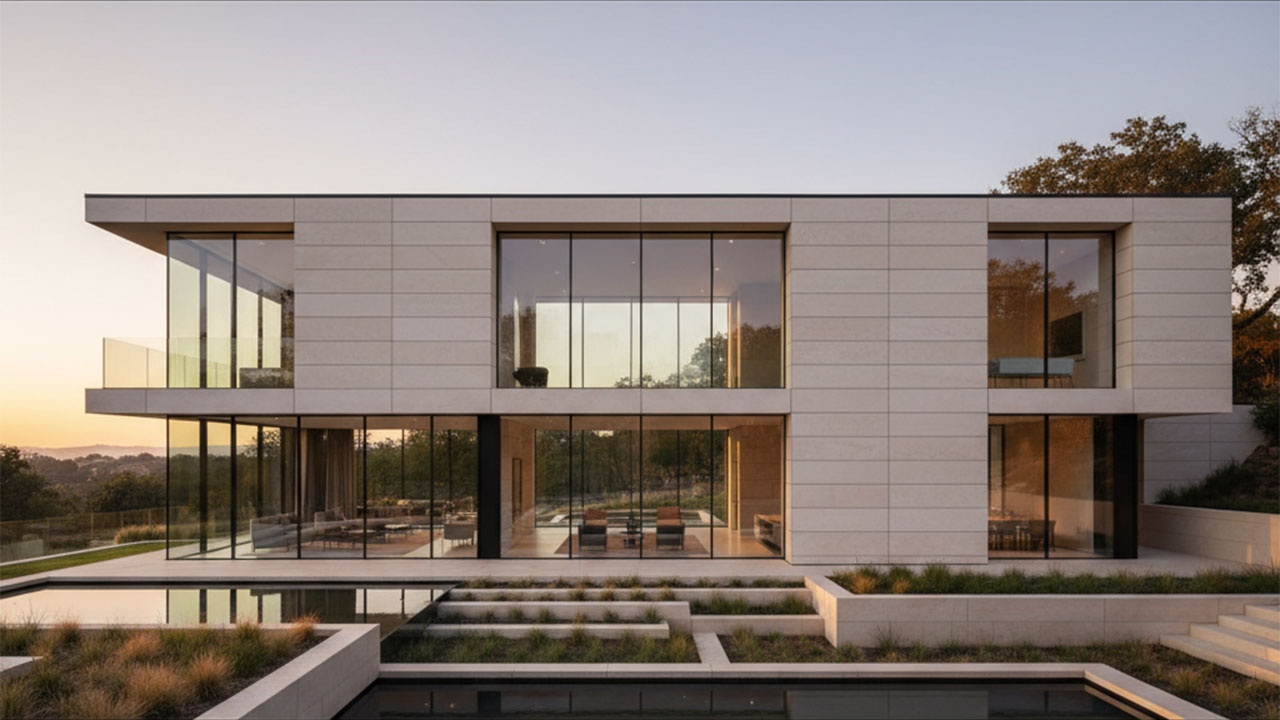
Glass brings transparency and light. Metal introduces precision and sharp definition. Limestone—especially refined European limestone—adds permanence, texture, and a sense of architectural calm. Together, they create facades that feel both cutting-edge and timeless, particularly in the luxury markets of the United States and Canada.
At Marvelous Marble, we often see clients drawn to this mixed-material approach because it balances two important goals: making a bold modern statement while still creating a home that feels grounded, livable, and enduring.
Why This Combination Works: The Role Each Material Plays
The most successful contemporary facades are not about showcasing more materials—they’re about assigning each material a clear role.
Limestone: The Anchor
European limestone provides mass, warmth, and credibility. It reads as “real architecture” rather than surface decoration. Its subtle tonal movement and matte texture soften an otherwise sharp modern palette.
Glass: The Connection
Glass dissolves boundaries. It links indoors to outdoors, frames views, and lets natural light define the interior experience. In mixed-material facades, glass is often the “breathing space” that keeps the overall elevation from feeling heavy.
Metal: The Precision
Metal (commonly black steel, bronze-toned aluminum, or dark anodized systems) delivers crisp edges, thin profiles, and modern detail. It’s the perfect counterpoint to limestone’s natural texture.
When these roles are respected, the facade feels balanced rather than busy.
Material Harmony Starts with Proportion (Not Decoration)
One common mistake in mixed-material design is treating the facade like a collage. High-end architecture works differently: it relies on proportion, hierarchy, and restraint.
A reliable strategy for blending limestone with glass and metal is to assign dominance:
- Primary material (often limestone): establishes the home’s mass and identity
- Secondary material (glass): defines openness, views, and lightness
- Accent material (metal): refines edges, frames openings, and adds contrast
For luxury residences, limestone often performs best as the primary material because it elevates the perceived value of the building and gives the home a long-term visual presence.
European Limestone in Modern Facades: Warm Modernism Done Right
In minimalist or contemporary architecture, stone can sometimes feel too traditional—unless the right stone is selected and detailed properly.
European limestone works exceptionally well in modern facades because:
- Its colors tend to be refined and neutral (creams, beiges, soft greys)
- Its texture is elegant rather than rustic
- It can be fabricated into large-format panels for clean, modern lines
- It pairs naturally with black or bronze metal and expansive glazing
The result is not “old-world,” but a distinctly modern look often described as warm minimalism—highly desirable in luxury residential design today.
Design Strategies for Blending Limestone, Glass, and Metal
1) Limestone Volumes + Glass Voids
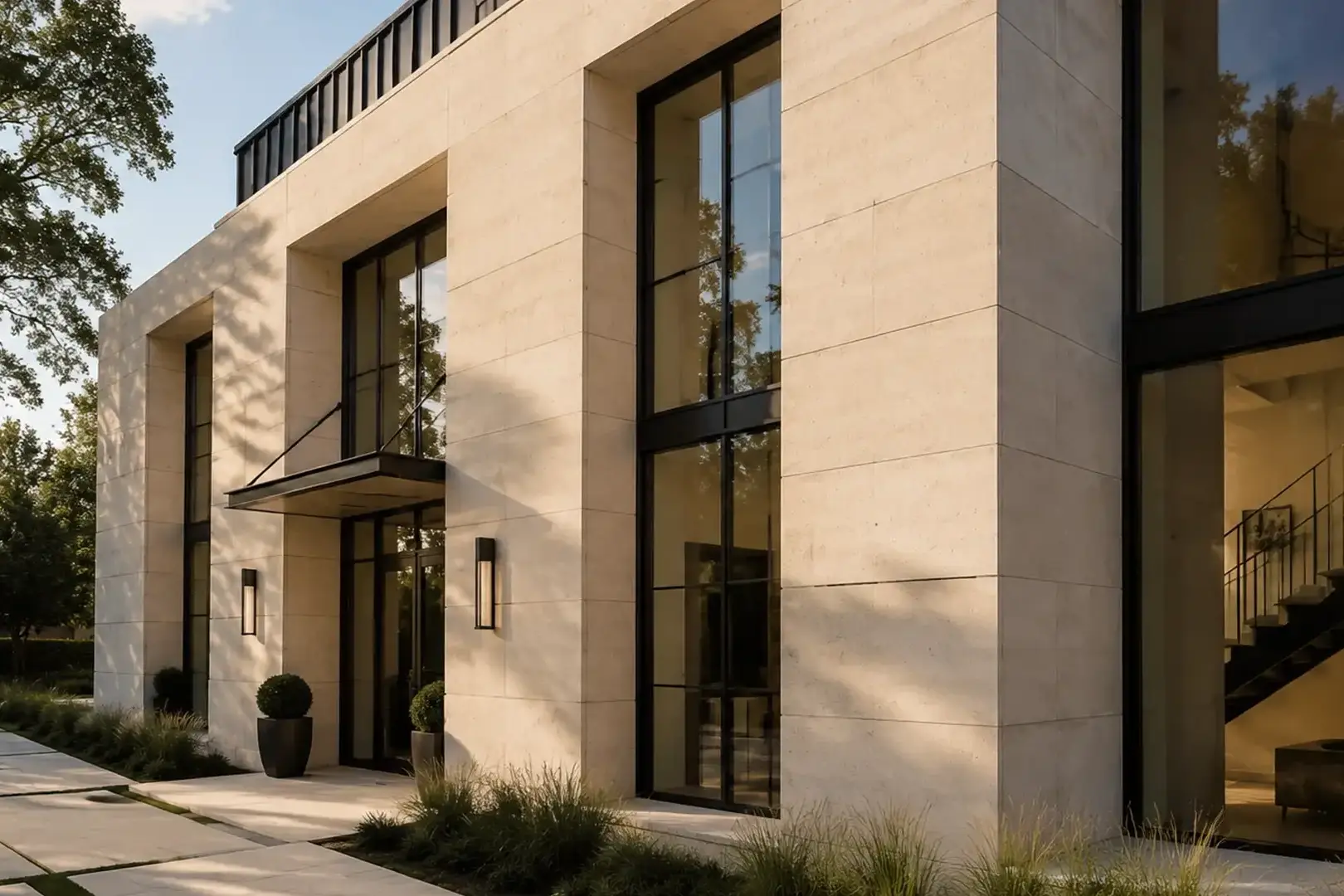
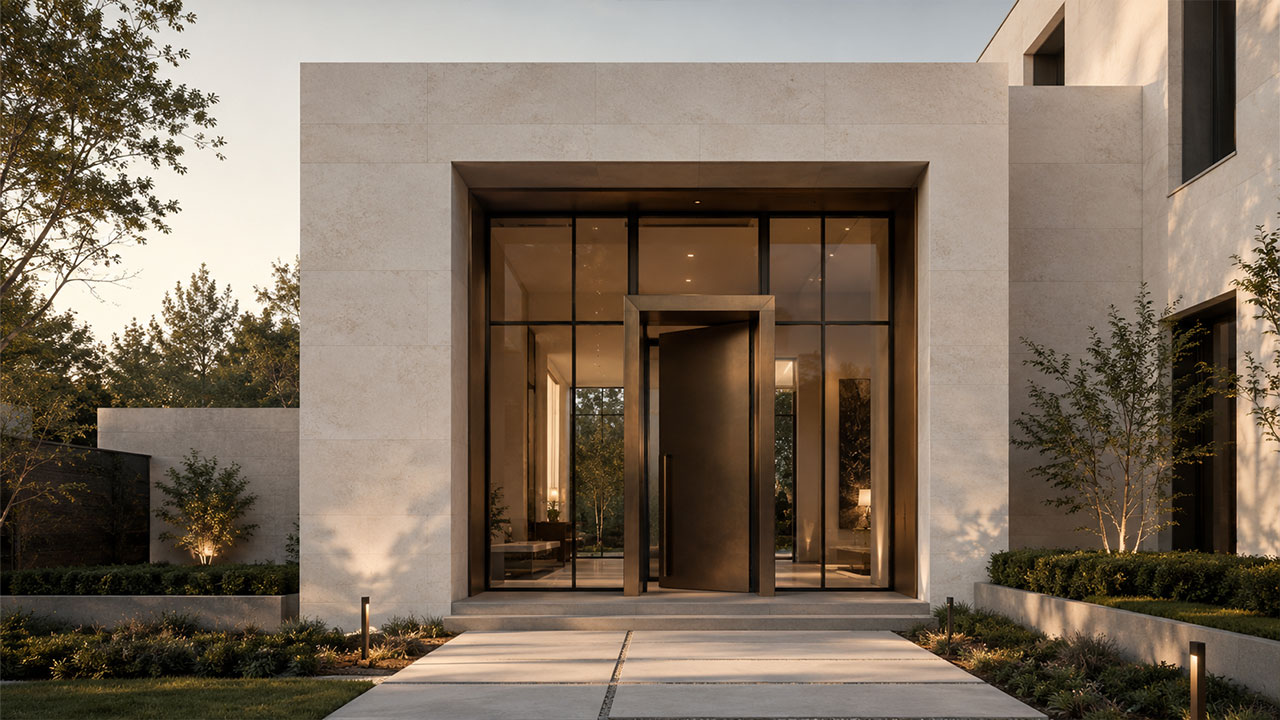
A powerful contemporary composition is to treat limestone as a solid sculptural mass, then “carve” glass openings into it. This creates strong contrast and dramatic depth.
Common applications:
- Double-height glass entry volumes within limestone walls
- Corner glazing that visually dissolves heavy stone masses
- Glass curtain-wall sections framed by stone piers
2) Metal Framing as the Transition Layer
Metal is often the detail layer that makes stone and glass feel intentionally connected rather than simply adjacent.
Examples:
- Thin black metal trims between limestone panels and glazing
- Bronze frames that warm up cream limestone
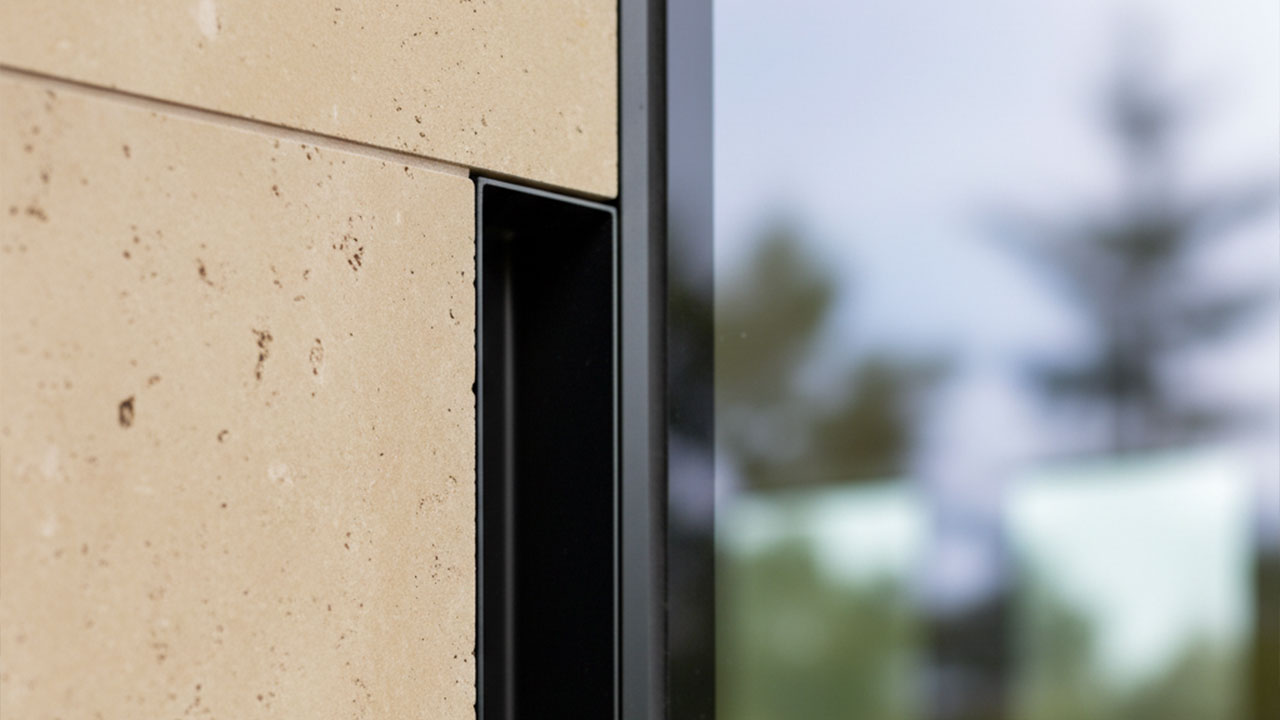
- Recessed metal shadow reveals that create crisp modern lines
3) Controlled Contrast (Light Stone, Dark Metal)
One of the most successful palettes in contemporary luxury design is:
- Light European limestone
- Dark metal window systems
- Clear glass expanses
This contrast emphasizes geometry and makes the facade feel sharper, more tailored, and more architectural.
4) Recessed Windows for Depth and Shadow
Instead of making glass flush with the stone surface, many designers recess glazing slightly behind the limestone plane. This creates shadow lines and depth—one of the easiest ways to make a modern facade feel expensive.
Detailing That Separates Luxury from “Modern-Looking”
In contemporary architecture, the difference between a truly luxurious facade and a merely modern one is often found in the details.
Alignment and Joint Discipline
Limestone panel joints should align with:
- Window mullions
- Floor lines
- Major facade divisions
This creates visual order. When joints are random or poorly coordinated, the facade loses sophistication.
Thin, Consistent Reveals
High-end mixed-material facades often use tight, consistent shadow gaps that create precision without visual clutter.
Finish Selection
For modern projects, European limestone is commonly specified in:
- Honed finishes (matte, refined, minimal glare)
- Lightly brushed/textured finishes (adds depth, hides fingerprints/weathering, still modern)
The wrong finish—too rough or overly glossy—can disrupt the intended minimalist effect.
Performance Considerations for U.S. and Canada Projects
For homeowners and developers, the facade must perform as well as it looks—especially across varied North American climates.
Key considerations include:
- Proper rainscreen and drainage detailing behind limestone cladding
- Engineered anchoring systems designed for thermal movement
- High-performance glazing (to meet energy codes and comfort expectations)
- Corrosion-resistant metal selections suited to coastal or winter environments
When designed properly, mixed-material facades are not only visually striking—they’re also durable and efficient.
At Marvelous Marble, we coordinate stone fabrication tolerances and detailing so the limestone integrates cleanly with modern window and metal systems, which is critical for luxury outcomes.
The Emotional Result: Modern, But Grounded
Glass and metal can sometimes feel cool or overly sleek. Limestone changes that emotional tone immediately.
A modern facade that blends European limestone, glass, and metal doesn’t feel like a showroom—it feels like an estate of the future: contemporary, but substantial; minimalist, but warm.
For high-end buyers, that balance is often the deciding factor.
Conclusion: A Facade That Feels Intentional, Not Trend-Driven
Material Harmony: Blending Limestone with Glass and Metal in Modern Facades is ultimately about creating architecture that is clean and current, yet rooted in timeless materials.
For high-end homeowners and developers in the design phase, this combination offers a strategic advantage: it delivers strong modern identity while maintaining the permanence and prestige that luxury real estate demands.
When executed with refined European limestone, disciplined detailing, and proportion-led composition, the facade becomes more than a surface—it becomes a lasting architectural statement.
At Marvelous Marble, we help clients bring these mixed-material visions to life with stone craftsmanship that integrates seamlessly into contemporary systems—creating modern facades that remain elegant for decades.
Limestone with glass and metal has become one of the most compelling material combinations in contemporary luxury architecture. For high-end homeowners and developers in the design phase, this trio offers something rare: modern clarity without coldness, and visual sophistication without excess.
Glass brings transparency and light. Metal introduces precision and sharp definition. Limestone—especially refined European limestone—adds permanence, texture, and a sense of architectural calm. Together, they create facades that feel both cutting-edge and timeless, particularly in the luxury markets of the United States and Canada.
At Marvelous Marble, we often see clients drawn to this mixed-material approach because it balances two important goals: making a bold modern statement while still creating a home that feels grounded, livable, and enduring.
Why This Combination Works: The Role Each Material Plays
The most successful contemporary facades are not about showcasing more materials—they’re about assigning each material a clear role.
Limestone: The Anchor
European limestone provides mass, warmth, and credibility. It reads as “real architecture” rather than surface decoration. Its subtle tonal movement and matte texture soften an otherwise sharp modern palette.
Glass: The Connection
Glass dissolves boundaries. It links indoors to outdoors, frames views, and lets natural light define the interior experience. In mixed-material facades, glass is often the “breathing space” that keeps the overall elevation from feeling heavy.
Metal: The Precision
Metal (commonly black steel, bronze-toned aluminum, or dark anodized systems) delivers crisp edges, thin profiles, and modern detail. It’s the perfect counterpoint to limestone’s natural texture.
When these roles are respected, the facade feels balanced rather than busy.
Material Harmony Starts with Proportion (Not Decoration)
One common mistake in mixed-material design is treating the facade like a collage. High-end architecture works differently: it relies on proportion, hierarchy, and restraint.
A reliable strategy for blending limestone with glass and metal is to assign dominance:
- Primary material (often limestone): establishes the home’s mass and identity
- Secondary material (glass): defines openness, views, and lightness
- Accent material (metal): refines edges, frames openings, and adds contrast
For luxury residences, limestone often performs best as the primary material because it elevates the perceived value of the building and gives the home a long-term visual presence.
European Limestone in Modern Facades: Warm Modernism Done Right
In minimalist or contemporary architecture, stone can sometimes feel too traditional—unless the right stone is selected and detailed properly.
European limestone works exceptionally well in modern facades because:
- Its colors tend to be refined and neutral (creams, beiges, soft greys)
- Its texture is elegant rather than rustic
- It can be fabricated into large-format panels for clean, modern lines
- It pairs naturally with black or bronze metal and expansive glazing
The result is not “old-world,” but a distinctly modern look often described as warm minimalism—highly desirable in luxury residential design today.
Design Strategies for Blending Limestone, Glass, and Metal
1) Limestone Volumes + Glass Voids
A powerful contemporary composition is to treat limestone as a solid sculptural mass, then “carve” glass openings into it. This creates strong contrast and dramatic depth.
Common applications:
- Double-height glass entry volumes within limestone walls
- Corner glazing that visually dissolves heavy stone masses
- Glass curtain-wall sections framed by stone piers
2) Metal Framing as the Transition Layer
Metal is often the detail layer that makes stone and glass feel intentionally connected rather than simply adjacent.
Examples:
- Thin black metal trims between limestone panels and glazing
- Bronze frames that warm up cream limestone
- Recessed metal shadow reveals that create crisp modern lines
3) Controlled Contrast (Light Stone, Dark Metal)
One of the most successful palettes in contemporary luxury design is:
- Light European limestone
- Dark metal window systems
- Clear glass expanses
This contrast emphasizes geometry and makes the facade feel sharper, more tailored, and more architectural.
4) Recessed Windows for Depth and Shadow
Instead of making glass flush with the stone surface, many designers recess glazing slightly behind the limestone plane. This creates shadow lines and depth—one of the easiest ways to make a modern facade feel expensive.
Detailing That Separates Luxury from “Modern-Looking”
In contemporary architecture, the difference between a truly luxurious facade and a merely modern one is often found in the details.
Alignment and Joint Discipline
Limestone panel joints should align with:
- Window mullions
- Floor lines
- Major facade divisions
This creates visual order. When joints are random or poorly coordinated, the facade loses sophistication.
Thin, Consistent Reveals
High-end mixed-material facades often use tight, consistent shadow gaps that create precision without visual clutter.
Finish Selection
For modern projects, European limestone is commonly specified in:
- Honed finishes (matte, refined, minimal glare)
- Lightly brushed/textured finishes (adds depth, hides fingerprints/weathering, still modern)
The wrong finish—too rough or overly glossy—can disrupt the intended minimalist effect.
Performance Considerations for U.S. and Canada Projects
For homeowners and developers, the facade must perform as well as it looks—especially across varied North American climates.
Key considerations include:
- Proper rainscreen and drainage detailing behind limestone cladding
- Engineered anchoring systems designed for thermal movement
- High-performance glazing (to meet energy codes and comfort expectations)
- Corrosion-resistant metal selections suited to coastal or winter environments
When designed properly, mixed-material facades are not only visually striking—they’re also durable and efficient.
At Marvelous Marble, we coordinate stone fabrication tolerances and detailing so the limestone integrates cleanly with modern window and metal systems, which is critical for luxury outcomes.
The Emotional Result: Modern, But Grounded
Glass and metal can sometimes feel cool or overly sleek. Limestone changes that emotional tone immediately.
A modern facade that blends European limestone, glass, and metal doesn’t feel like a showroom—it feels like an estate of the future: contemporary, but substantial; minimalist, but warm.
For high-end buyers, that balance is often the deciding factor.
Conclusion: A Facade That Feels Intentional, Not Trend-Driven
Material Harmony: Blending Limestone with Glass and Metal in Modern Facades is ultimately about creating architecture that is clean and current, yet rooted in timeless materials.
For high-end homeowners and developers in the design phase, this combination offers a strategic advantage: it delivers strong modern identity while maintaining the permanence and prestige that luxury real estate demands.
When executed with refined European limestone, disciplined detailing, and proportion-led composition, the facade becomes more than a surface—it becomes a lasting architectural statement.
At Marvelous Marble, we help clients bring these mixed-material visions to life with stone craftsmanship that integrates seamlessly into contemporary systems—creating modern facades that remain elegant for decades.

Related Posts
Specifying Limestone Façades for Freeze–Thaw Climates: An Architect’s Guide
A technical planning guide for luxury limestone façades in New York, Chicago…