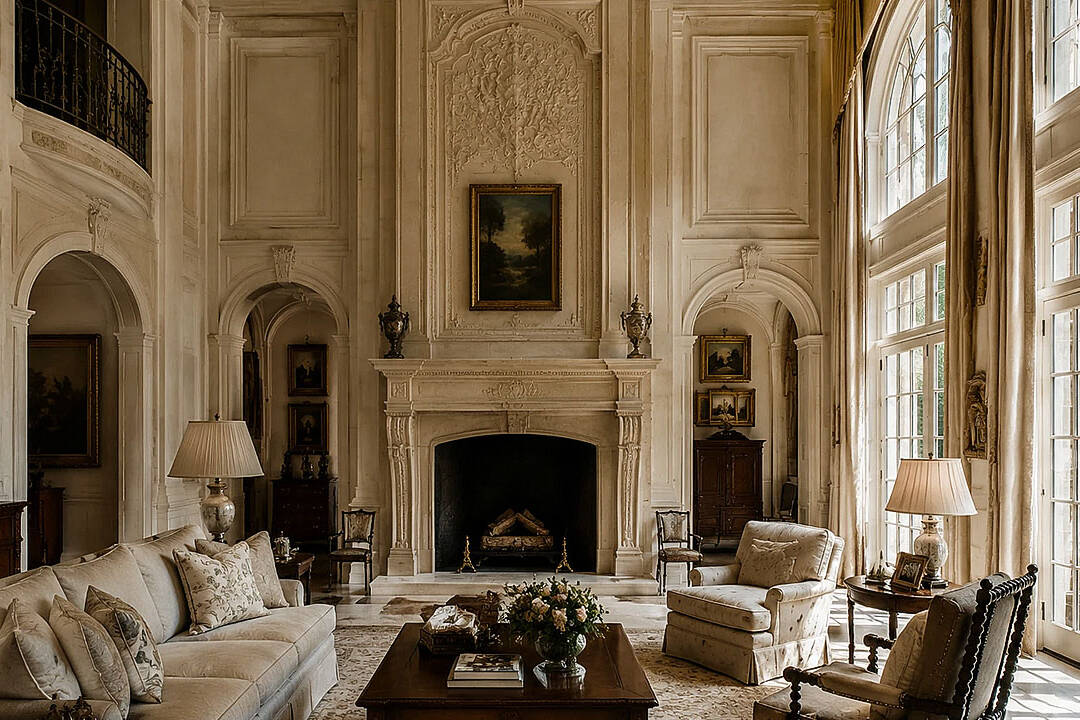
Antique Stone Mantel design is often associated with classical homes, historic estates, and ornate interiors. Yet in recent years, interior designers across the United States and Canada have discovered something fascinating: an antique stone mantel can become the most striking feature inside a modern or minimalist space.
Rather than clashing with contemporary architecture, a well‑chosen antique mantel introduces depth, contrast, and character that new materials often struggle to replicate. In homes where clean lines, neutral palettes, and open layouts dominate, the presence of centuries‑inspired stone craftsmanship can transform a room from visually simple to architecturally unforgettable.
At Marvelous Marble, we frequently collaborate with designers who want to blend historical elements with contemporary living. The result is an interior aesthetic where past and present coexist seamlessly—creating spaces that feel both refined and deeply personal.
Antique Stone Mantel as a Statement in Minimalist Spaces
Minimalist interiors rely on restraint. Walls are uncluttered, materials are carefully selected, and decorative elements are intentionally limited. In such environments, every focal point becomes incredibly important.
An antique stone mantel naturally fulfills this role.
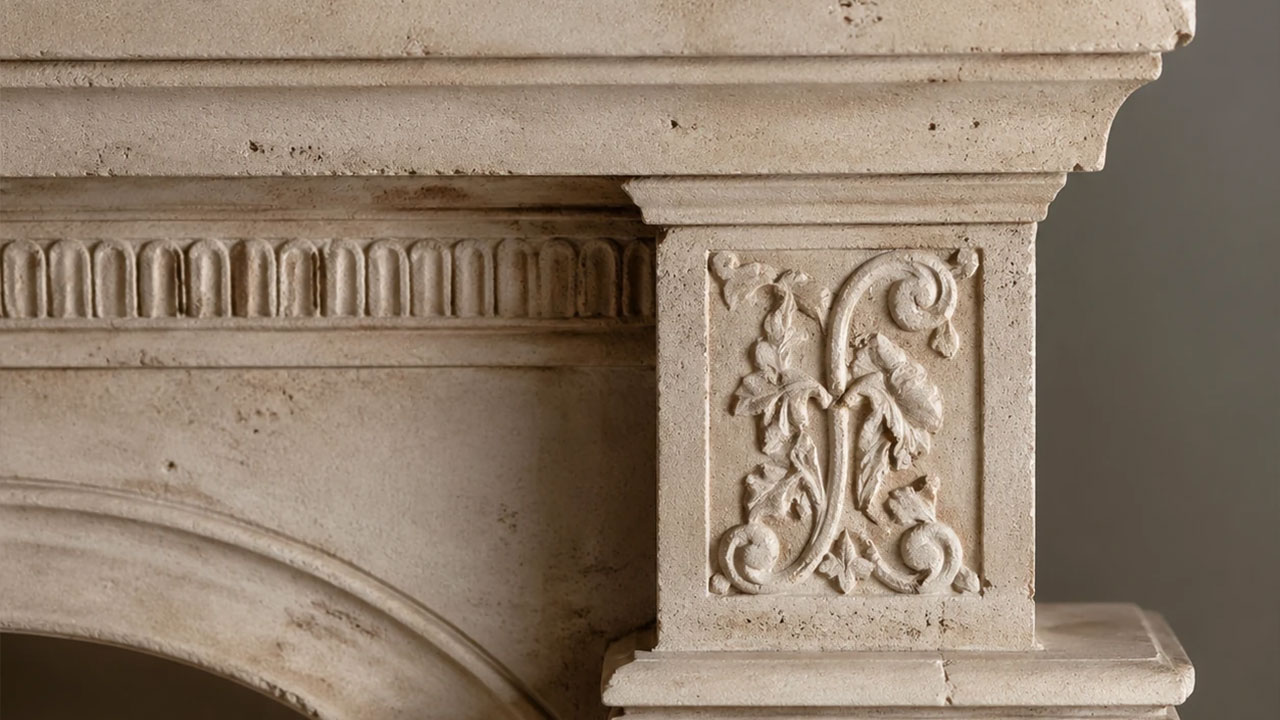
Because antique mantels were traditionally hand‑carved from limestone, marble, or travertine, they contain subtle irregularities and artisanal details that modern manufacturing rarely reproduces. When placed within a minimalist living room, these details become visually powerful.
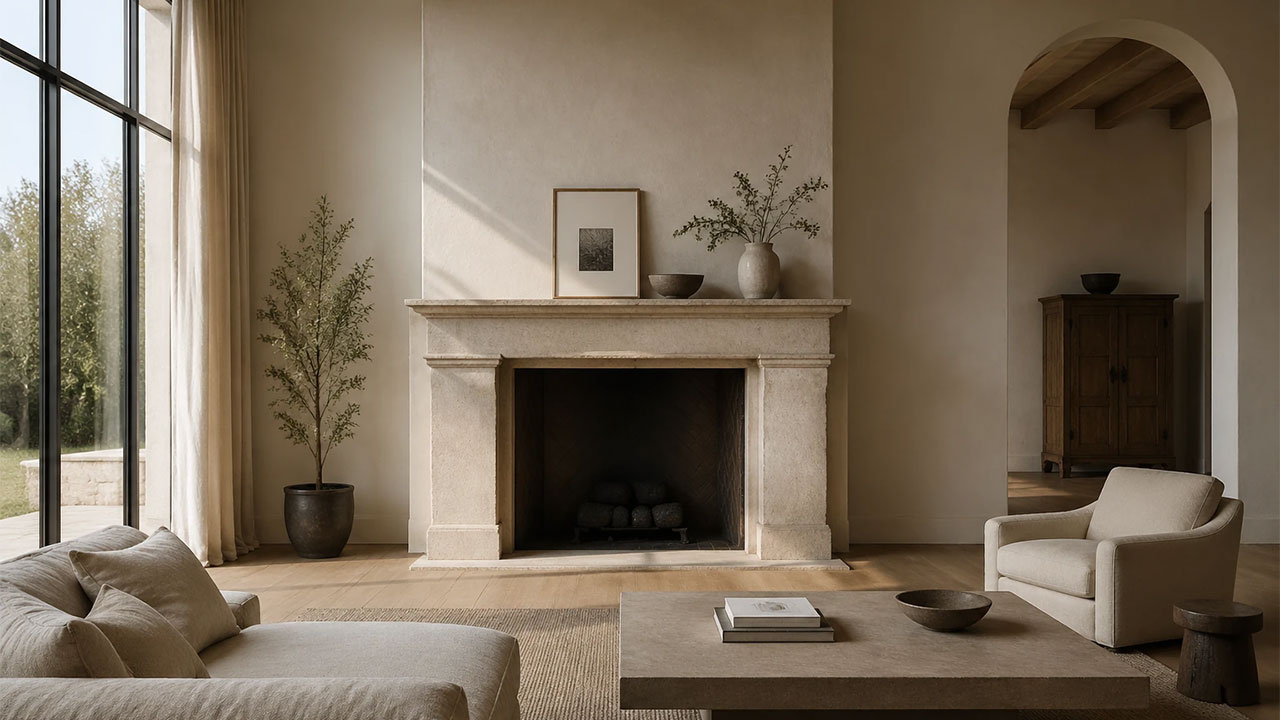
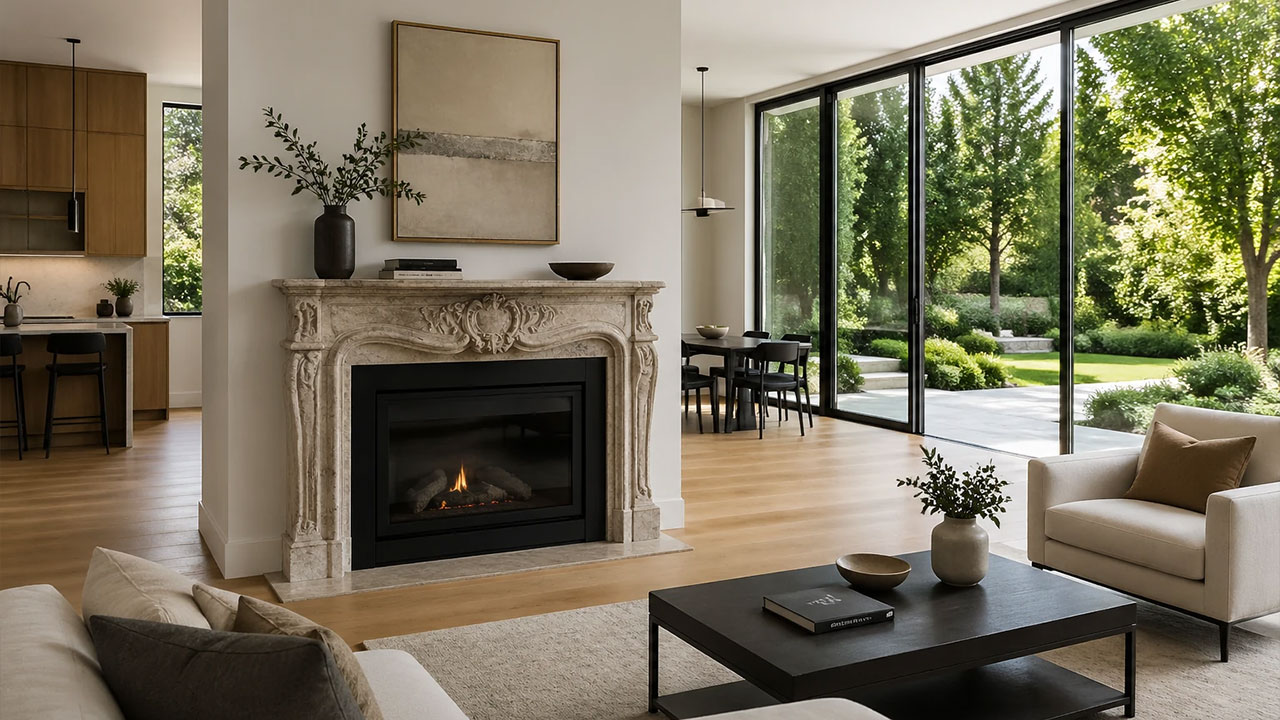
Instead of overwhelming the space, the mantel acts as a sculptural centerpiece. The contrast between the clean geometry of modern architecture and the organic character of aged stone creates a balance that designers often describe as “curated simplicity.”
For contemporary homes with large fireplaces or double‑height ceilings, antique stone mantels also add an essential sense of scale and presence.
Creating Harmony Between Old Craftsmanship and Modern Design
One of the most common concerns homeowners express is whether an antique element will feel “out of place” in a modern home. In reality, thoughtful integration often enhances the overall design.
The key lies in material harmony and spatial balance.
Modern interiors typically feature materials like steel, glass, concrete, and natural wood. An antique stone mantel complements these materials beautifully because stone is timeless and neutral by nature.
For example:
• A limestone mantel paired with smooth plaster walls creates a soft architectural contrast.
• A marble mantel framed by minimalist black steel fireplace doors produces a dramatic contemporary look.
• A warm beige stone mantel can anchor spaces filled with natural oak flooring and neutral textiles.
Instead of appearing decorative or ornamental, the mantel becomes part of the architectural language of the room.
Choosing the Right Antique Stone Mantel for Contemporary Homes
Not every antique mantel fits every modern interior. Proportion, color, and carving detail all influence how successfully the piece integrates into a contemporary setting.
Designers working on projects in North America often look for mantels that feature:
Balanced proportions
A mantel that is too ornate can dominate a minimalist room. Pieces with subtle classical profiles tend to work best.
Soft neutral stone tones
Cream limestone, light marble, and warm beige stones complement modern color palettes and allow surrounding elements to shine.
Refined but restrained carvings
Simple moldings, gentle curves, or understated column details add elegance without overwhelming the space.
At Marvelous Marble, we often help clients select antique‑inspired or reclaimed mantels that align with the architectural vision of the home, ensuring the piece enhances rather than competes with modern elements.
Using the Antique Stone Mantel as the Design Anchor
In many luxury homes, the fireplace naturally becomes the heart of the living space. When an antique stone mantel is introduced, it can guide the entire interior design direction.
Interior designers frequently build the room’s material palette around the mantel itself.
Stone textures might be echoed in subtle ways throughout the room:
• Natural stone coffee tables
• Limestone flooring or accents
• Textured plaster walls
• Neutral stone‑inspired fabrics
This layered approach creates visual cohesion. Instead of feeling like an isolated antique artifact, the mantel becomes the foundation of a unified design story.
The Timeless Appeal of Stone in Contemporary Living
Modern design often celebrates innovation, but the most successful interiors also honor timeless materials. Stone has been used in architecture for thousands of years because of its durability, elegance, and ability to age beautifully.
An antique stone mantel brings this legacy directly into contemporary living spaces.
Over time, the natural patina of stone deepens, subtle variations in texture become more pronounced, and the mantel gains even more character. In homes designed for long‑term enjoyment, this sense of permanence is incredibly valuable.
Rather than following short‑lived trends, integrating antique stone creates interiors that feel established, sophisticated, and enduring.
Conclusion: Where History Meets Modern Elegance
A thoughtfully selected antique stone mantel proves that traditional craftsmanship and modern architecture are not opposites—they are complementary forces.
When integrated with intention, these historic pieces add warmth, depth, and authenticity to contemporary interiors. Minimalist spaces gain character, modern homes gain a sense of heritage, and the fireplace becomes more than a functional element—it becomes a work of architectural art.
For homeowners and designers across the United States and Canada seeking interiors that feel both modern and timeless, the antique stone mantel offers a powerful design solution.
At Marvelous Marble, we work closely with architects and interior designers to source and craft stone mantels that seamlessly integrate into modern environments while preserving the elegance of classical stonework.
Antique Stone Mantel design is often associated with classical homes, historic estates, and ornate interiors. Yet in recent years, interior designers across the United States and Canada have discovered something fascinating: an antique stone mantel can become the most striking feature inside a modern or minimalist space.
Rather than clashing with contemporary architecture, a well‑chosen antique mantel introduces depth, contrast, and character that new materials often struggle to replicate. In homes where clean lines, neutral palettes, and open layouts dominate, the presence of centuries‑inspired stone craftsmanship can transform a room from visually simple to architecturally unforgettable.
At Marvelous Marble, we frequently collaborate with designers who want to blend historical elements with contemporary living. The result is an interior aesthetic where past and present coexist seamlessly—creating spaces that feel both refined and deeply personal.
Antique Stone Mantel as a Statement in Minimalist Spaces
Minimalist interiors rely on restraint. Walls are uncluttered, materials are carefully selected, and decorative elements are intentionally limited. In such environments, every focal point becomes incredibly important.
An antique stone mantel naturally fulfills this role.
Because antique mantels were traditionally hand‑carved from limestone, marble, or travertine, they contain subtle irregularities and artisanal details that modern manufacturing rarely reproduces. When placed within a minimalist living room, these details become visually powerful.
Instead of overwhelming the space, the mantel acts as a sculptural centerpiece. The contrast between the clean geometry of modern architecture and the organic character of aged stone creates a balance that designers often describe as “curated simplicity.”
For contemporary homes with large fireplaces or double‑height ceilings, antique stone mantels also add an essential sense of scale and presence.
Creating Harmony Between Old Craftsmanship and Modern Design
One of the most common concerns homeowners express is whether an antique element will feel “out of place” in a modern home. In reality, thoughtful integration often enhances the overall design.
The key lies in material harmony and spatial balance.
Modern interiors typically feature materials like steel, glass, concrete, and natural wood. An antique stone mantel complements these materials beautifully because stone is timeless and neutral by nature.
For example:
• A limestone mantel paired with smooth plaster walls creates a soft architectural contrast.
• A marble mantel framed by minimalist black steel fireplace doors produces a dramatic contemporary look.
• A warm beige stone mantel can anchor spaces filled with natural oak flooring and neutral textiles.
Instead of appearing decorative or ornamental, the mantel becomes part of the architectural language of the room.
Choosing the Right Antique Stone Mantel for Contemporary Homes
Not every antique mantel fits every modern interior. Proportion, color, and carving detail all influence how successfully the piece integrates into a contemporary setting.
Designers working on projects in North America often look for mantels that feature:
Balanced proportions
A mantel that is too ornate can dominate a minimalist room. Pieces with subtle classical profiles tend to work best.
Soft neutral stone tones
Cream limestone, light marble, and warm beige stones complement modern color palettes and allow surrounding elements to shine.
Refined but restrained carvings
Simple moldings, gentle curves, or understated column details add elegance without overwhelming the space.
At Marvelous Marble, we often help clients select antique‑inspired or reclaimed mantels that align with the architectural vision of the home, ensuring the piece enhances rather than competes with modern elements.
Using the Antique Stone Mantel as the Design Anchor
In many luxury homes, the fireplace naturally becomes the heart of the living space. When an antique stone mantel is introduced, it can guide the entire interior design direction.
Interior designers frequently build the room’s material palette around the mantel itself.
Stone textures might be echoed in subtle ways throughout the room:
• Natural stone coffee tables
• Limestone flooring or accents
• Textured plaster walls
• Neutral stone‑inspired fabrics
This layered approach creates visual cohesion. Instead of feeling like an isolated antique artifact, the mantel becomes the foundation of a unified design story.
The Timeless Appeal of Stone in Contemporary Living
Modern design often celebrates innovation, but the most successful interiors also honor timeless materials. Stone has been used in architecture for thousands of years because of its durability, elegance, and ability to age beautifully.
An antique stone mantel brings this legacy directly into contemporary living spaces.
Over time, the natural patina of stone deepens, subtle variations in texture become more pronounced, and the mantel gains even more character. In homes designed for long‑term enjoyment, this sense of permanence is incredibly valuable.
Rather than following short‑lived trends, integrating antique stone creates interiors that feel established, sophisticated, and enduring.
Conclusion: Where History Meets Modern Elegance
A thoughtfully selected antique stone mantel proves that traditional craftsmanship and modern architecture are not opposites—they are complementary forces.
When integrated with intention, these historic pieces add warmth, depth, and authenticity to contemporary interiors. Minimalist spaces gain character, modern homes gain a sense of heritage, and the fireplace becomes more than a functional element—it becomes a work of architectural art.
For homeowners and designers across the United States and Canada seeking interiors that feel both modern and timeless, the antique stone mantel offers a powerful design solution.
At Marvelous Marble, we work closely with architects and interior designers to source and craft stone mantels that seamlessly integrate into modern environments while preserving the elegance of classical stonework.