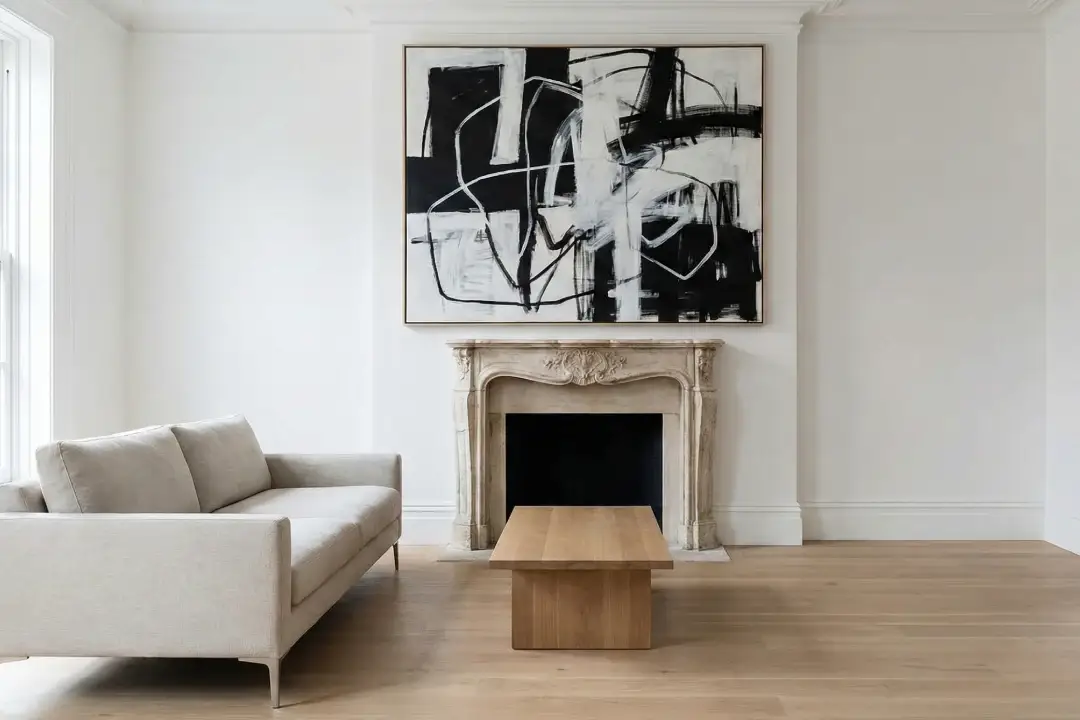
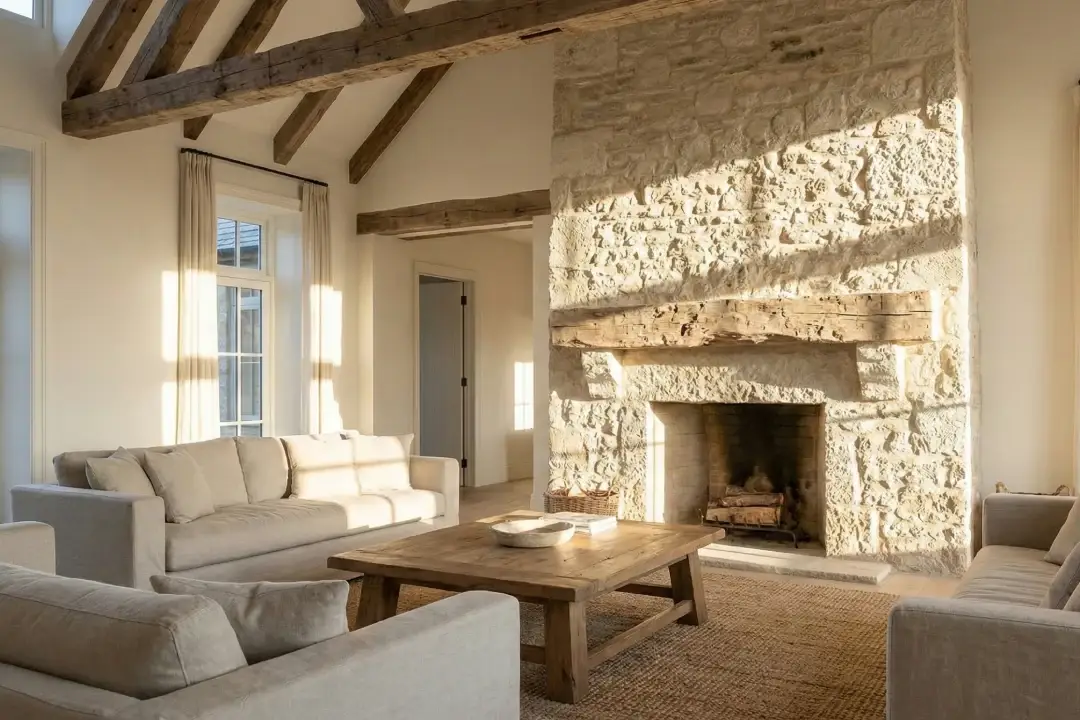
For centuries, the “French Chateau” aesthetic has been the ultimate benchmark for luxury interior design. At the heart of this aesthetic is the stone fireplace—the undisputed focal point of the room.
However, “French Style” is a broad term that often confuses buyers. It covers over 150 years of dramatic artistic evolution, mirroring the reigns of three very different kings and shifting cultural tastes. A heavy Baroque mantel is worlds apart from a delicate Rococo piece, yet both are authentically French.
At Marvelous Marble, we believe that true luxury lies in understanding these nuances. Choosing the right style ensures your fireplace isn’t just a beautiful object, but a historically coherent centerpiece for your space.
Here is your guide to decoding the three pillars of French mantel design: The Louis XIV, Louis XV, and Louis XVI styles.

1. Louis XIV (The Sun King): The Baroque Statement (1643–1715)
The Vibe: Grand, Masculine, Powerful, Symmetry.
Louis XIV, the “Sun King,” built Versailles to project absolute power and divine right. The art of this era, known as Baroque, was designed to impress and overwhelm. A fireplace from this period is not subtle; it is a monument within the room.
How to Spot It:
-
Rectilinear Form: The overall shape is boxy and rectangular. The mantel shelf is straight and thick.
-
Massive Scale: These mantels are often tall, wide, and deep, designed for grand salons with high ceilings.
-
Heavy Symmetry: The design is perfectly balanced.
-
Deep, Bold Carving: The decorative elements are carved in high relief, appearing almost three-dimensional.
-
Key Motifs: Look for symbols of power: lion paws at the base, heavy garlands of fruit and oak leaves, sunbursts (the king’s symbol), and often a central, imposing masque (face).
-
Preferred Stone: While white was used, this era loved rich, colored marbles like deep reds (Rouge Royal) or heavy, veined whites to convey wealth.
Best For: Large, formal living rooms, libraries, or entry halls where you want a dominating presence.
2. Louis XV (The Beloved): The Rococo Curve (1715–1774)
The Vibe: Feminine, Sensual, Asymmetrical, Playful, Organic.
Following the rigid formality of the Sun King, society breathed a sigh of relief. The Louis XV era ushered in the Rococo style. It moved away from heavy grandeur toward intimacy, comfort, and a celebration of nature’s flowing lines.
How to Spot It:
-
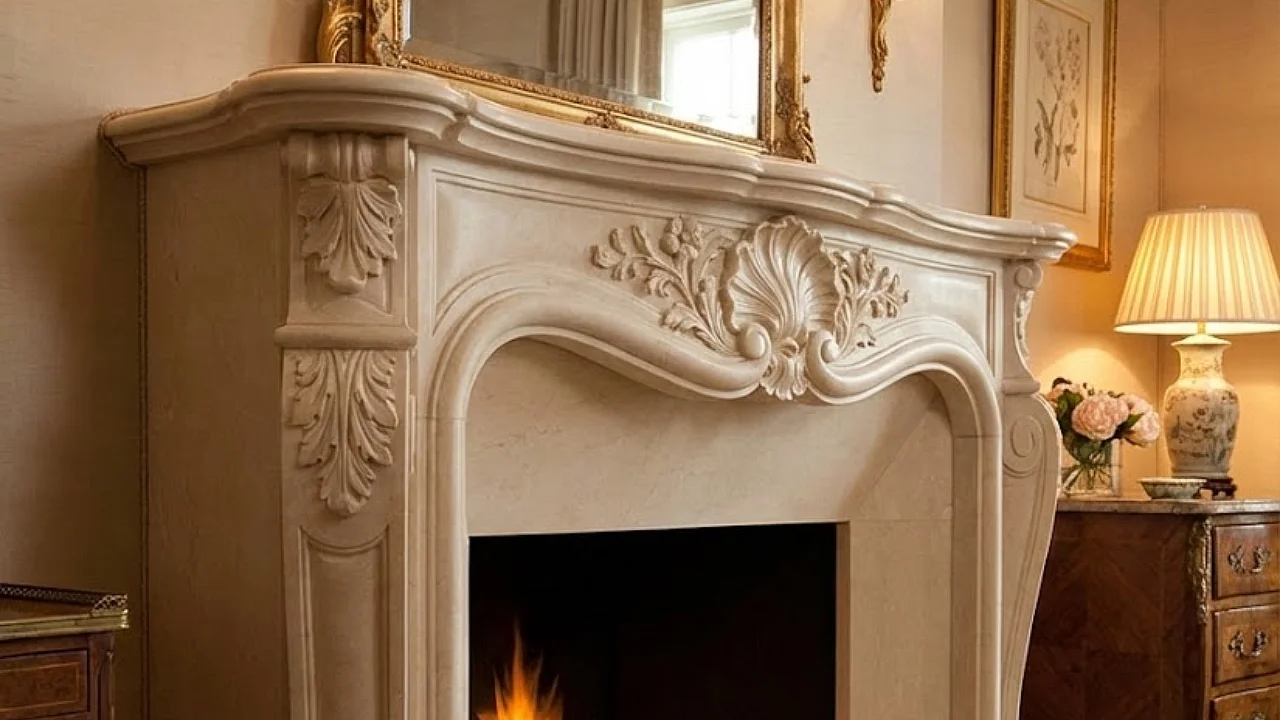
The “S” Curve (Serpentine): This is the defining feature. There are almost no straight lines. The mantel shelf curves forward in a serpentine shape. The legs are not straight columns but angled consoles that flow into the body.
-
The Coquille (Shell): The absolute hallmark of Louis XV design is the asymmetrical shell motif, usually placed at the center of the frieze (the panel below the shelf).
-
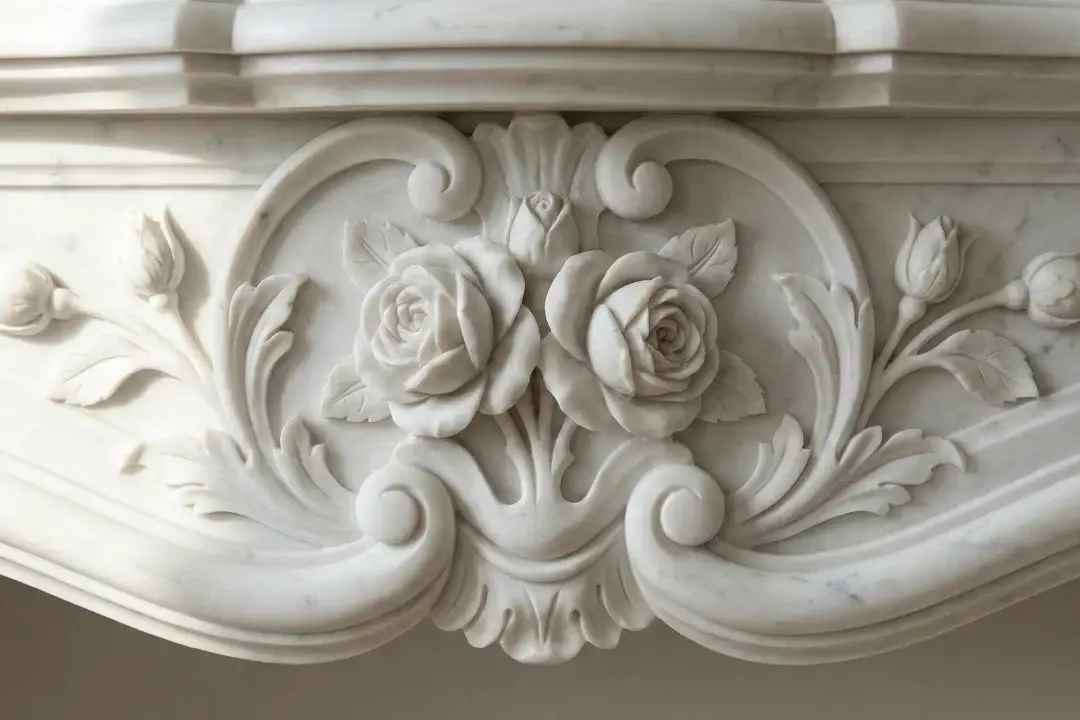
Nature Motifs: Carvings are lighter and inspired by nature: flowing acanthus leaves, intertwined flowers, and playful ribbons.
-
Softer Feel: The carving is intricate but less deep and aggressive than the Louis XIV style.
-
Preferred Stone: Lighter, creamier marbles (like Crema Marfil) or softer whites were preferred to enhance the sensual, delicate feel.
Best For: Master bedrooms, boudoirs, or sitting rooms designed for comfort, romance, and conversation.
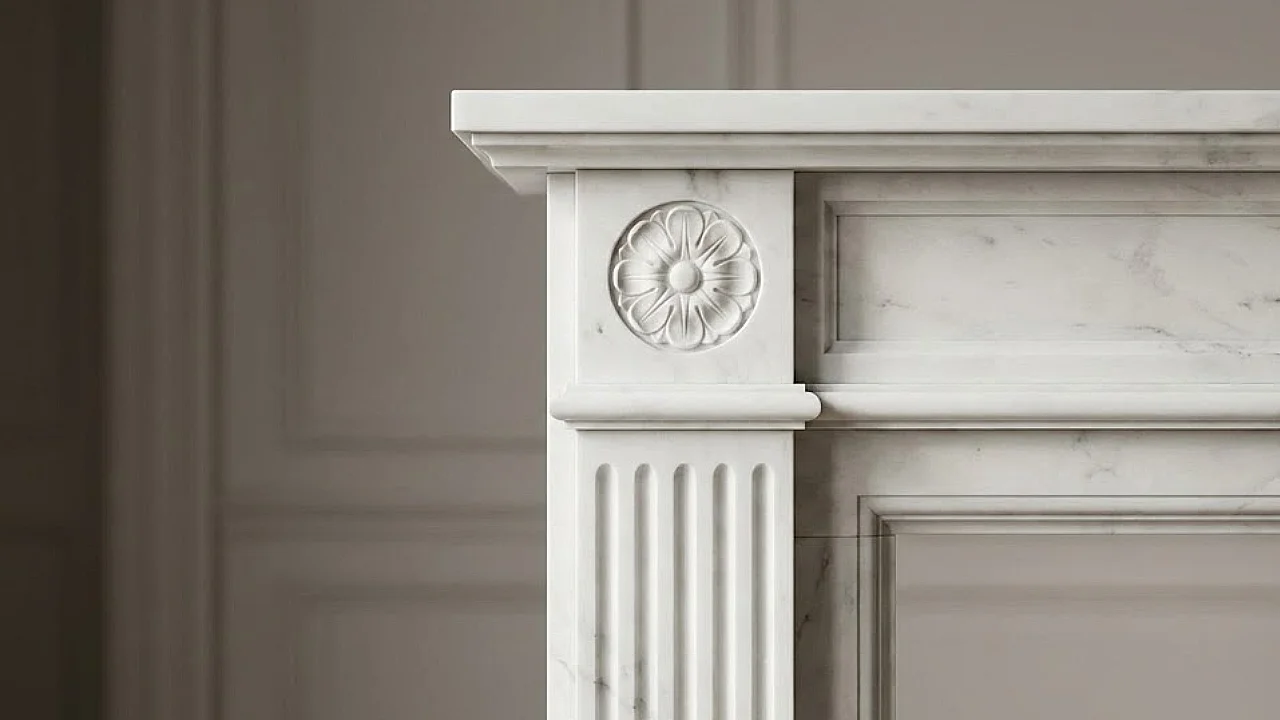
3. Louis XVI (The Restorer): The Neoclassical Order (1774–1792)
The Vibe: Disciplined, Geometric, Elegant, Rational.
In the late 18th century, the discovery of ancient ruins at Pompeii sparked a renewed obsession with classical Greece and Rome. The frivolous curves of Rococo fell out of fashion, replaced by the disciplined elegance of Neoclassicism under Louis XVI.
How to Spot It:
-
Return to Straight Lines: The pendulum swung back. The mantel shelf is straight and rectangular again.
-
The “Fluted Leg”: This is the easiest giveaway. The legs of the mantel are straight columns, usually featuring vertical grooves called “fluting,” mimicking ancient Greek temple columns.
-
Geometric Decor: Curves were replaced by geometry. Look for square corner blocks adorned with rosettes (circles with floral designs inside).
-
Restrained Carving: Motifs became cleaner and more organized: olive branches, classical urns, drapery swags, and rows of pearls or beads.
-
Preferred Stone: Pure white marbles (like Bianco Carrara or Statuary) became extremely popular to mimic ancient Roman statues.
Best For: Dining rooms, formal living spaces, or modern minimalist interiors where you want historical character with clean lines.
Conclusion: The Art of Authenticity
Knowing the difference between a Louis XV curve and a Louis XVI straight leg is crucial when curating a luxury home.
At Marvelous Marble, we don’t just carve stone; we respect history. Our artisans understand the specific vocabulary of each era, ensuring that every acanthus leaf, fluted column, and serpentine curve is executed with historical fidelity.
Whether your dream aesthetic is the power of Versailles or the romance of a Parisian apartment, we have the expertise to create the definitive French mantel for your home.
Ready to choose your era? Browse our collection by style to see these differences in our hand-carved masterpieces.
For centuries, the “French Chateau” aesthetic has been the ultimate benchmark for luxury interior design. At the heart of this aesthetic is the stone fireplace—the undisputed focal point of the room.
However, “French Style” is a broad term that often confuses buyers. It covers over 150 years of dramatic artistic evolution, mirroring the reigns of three very different kings and shifting cultural tastes. A heavy Baroque mantel is worlds apart from a delicate Rococo piece, yet both are authentically French.
At Marvelous Marble, we believe that true luxury lies in understanding these nuances. Choosing the right style ensures your fireplace isn’t just a beautiful object, but a historically coherent centerpiece for your space.
Here is your guide to decoding the three pillars of French mantel design: The Louis XIV, Louis XV, and Louis XVI styles.
1. Louis XIV (The Sun King): The Baroque Statement (1643–1715)
The Vibe: Grand, Masculine, Powerful, Symmetry.
Louis XIV, the “Sun King,” built Versailles to project absolute power and divine right. The art of this era, known as Baroque, was designed to impress and overwhelm. A fireplace from this period is not subtle; it is a monument within the room.
How to Spot It:
-
Rectilinear Form: The overall shape is boxy and rectangular. The mantel shelf is straight and thick.
-
Massive Scale: These mantels are often tall, wide, and deep, designed for grand salons with high ceilings.
-
Heavy Symmetry: The design is perfectly balanced.
-
Deep, Bold Carving: The decorative elements are carved in high relief, appearing almost three-dimensional.
-
Key Motifs: Look for symbols of power: lion paws at the base, heavy garlands of fruit and oak leaves, sunbursts (the king’s symbol), and often a central, imposing masque (face).
-
Preferred Stone: While white was used, this era loved rich, colored marbles like deep reds (Rouge Royal) or heavy, veined whites to convey wealth.
Best For: Large, formal living rooms, libraries, or entry halls where you want a dominating presence.
2. Louis XV (The Beloved): The Rococo Curve (1715–1774)
The Vibe: Feminine, Sensual, Asymmetrical, Playful, Organic.
Following the rigid formality of the Sun King, society breathed a sigh of relief. The Louis XV era ushered in the Rococo style. It moved away from heavy grandeur toward intimacy, comfort, and a celebration of nature’s flowing lines.
How to Spot It:
-
The “S” Curve (Serpentine): This is the defining feature. There are almost no straight lines. The mantel shelf curves forward in a serpentine shape. The legs are not straight columns but angled consoles that flow into the body.
-
The Coquille (Shell): The absolute hallmark of Louis XV design is the asymmetrical shell motif, usually placed at the center of the frieze (the panel below the shelf).
-
Nature Motifs: Carvings are lighter and inspired by nature: flowing acanthus leaves, intertwined flowers, and playful ribbons.
-
Softer Feel: The carving is intricate but less deep and aggressive than the Louis XIV style.
-
Preferred Stone: Lighter, creamier marbles (like Crema Marfil) or softer whites were preferred to enhance the sensual, delicate feel.
Best For: Master bedrooms, boudoirs, or sitting rooms designed for comfort, romance, and conversation.
3. Louis XVI (The Restorer): The Neoclassical Order (1774–1792)
The Vibe: Disciplined, Geometric, Elegant, Rational.
In the late 18th century, the discovery of ancient ruins at Pompeii sparked a renewed obsession with classical Greece and Rome. The frivolous curves of Rococo fell out of fashion, replaced by the disciplined elegance of Neoclassicism under Louis XVI.
How to Spot It:
-
Return to Straight Lines: The pendulum swung back. The mantel shelf is straight and rectangular again.
-
The “Fluted Leg”: This is the easiest giveaway. The legs of the mantel are straight columns, usually featuring vertical grooves called “fluting,” mimicking ancient Greek temple columns.
-
Geometric Decor: Curves were replaced by geometry. Look for square corner blocks adorned with rosettes (circles with floral designs inside).
-
Restrained Carving: Motifs became cleaner and more organized: olive branches, classical urns, drapery swags, and rows of pearls or beads.
-
Preferred Stone: Pure white marbles (like Bianco Carrara or Statuary) became extremely popular to mimic ancient Roman statues.
Best For: Dining rooms, formal living spaces, or modern minimalist interiors where you want historical character with clean lines.
Conclusion: The Art of Authenticity
Knowing the difference between a Louis XV curve and a Louis XVI straight leg is crucial when curating a luxury home.
At Marvelous Marble, we don’t just carve stone; we respect history. Our artisans understand the specific vocabulary of each era, ensuring that every acanthus leaf, fluted column, and serpentine curve is executed with historical fidelity.
Whether your dream aesthetic is the power of Versailles or the romance of a Parisian apartment, we have the expertise to create the definitive French mantel for your home.
Ready to choose your era? Browse our collection by style to see these differences in our hand-carved masterpieces.